A FOUNDATION
FERNANDO PESSOA

Presentation

Fernando Pessoa Foundation for Education and Culture (FFP) aims to develop activities promoting education; teaching; culture and scientific research; professional and corporate training; and public health. The Foundation also aims to promote health education and the provision of healthcare; environmental protection and community outreach. Its main areas of activity are: science; healthcare and medical care; and education.

The Fernando Pessoa Foundation for Education and Culture is the founding entity of the University, the Higher School of Health, and the Fernando Pessoa Academy.

After 18 years of integration as a polytechnic teaching unit, benefiting from the sharing of material and human resources with the university – an integration ratified and enshrined in the UFP Statutes of 2009, duly adapted to the RJIES – Legal Regime of Higher Education Institutions (Law No. 62/2007, of September 10) – and, as such, registered by the supervising ministry – the institutional evaluation of the university by the Agency for Assessment and Accreditation of Higher Education, in 2017-18, required the autonomy of that organic subunit as its own polytechnic higher education establishment, albeit with the same founding entity, the Fernando Pessoa Foundation.
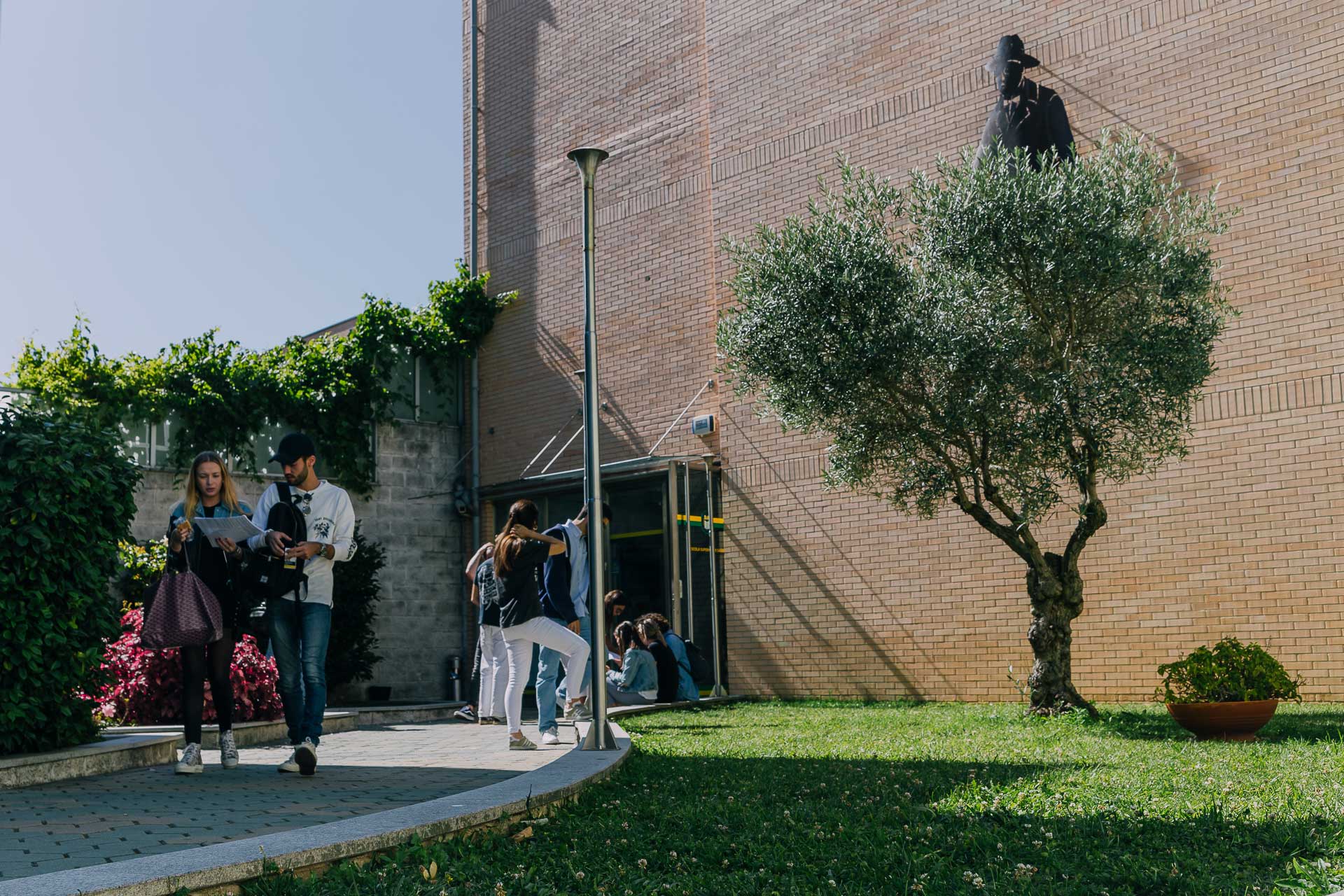
The Fernando Pessoa University (UFP), established by the Fernando Pessoa Teaching and Culture Foundation (FFP) and recognized as being of public interest by Decree-Law No. 107/96 of July 31, is the result of an innovative higher education project, initiated in the 1980s through the Higher Institute of Information and Business Sciences and the Erasmus Institute of Higher Education, which served as its structuring base and whose seniority of degrees and diplomas it inherited, in accordance with Article 7 of that decree.
The Fernando Pessoa Foundation Academy (Academia FP) defines its educational offerings in conjunction with its organic units and/or in partnership with academically affiliated institutions. See more
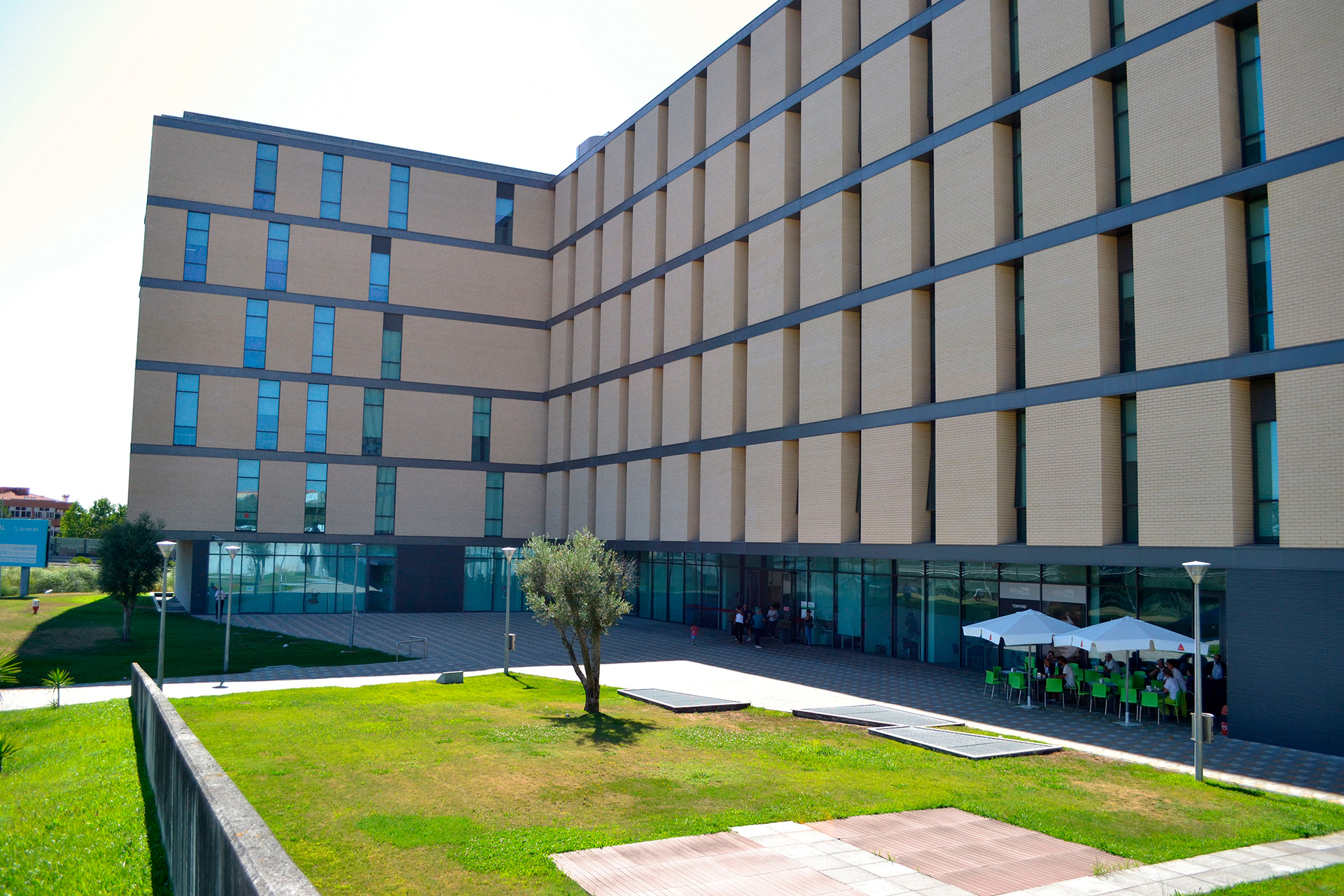
The University Hospital of Fernando Pessoa (HE) was developed from an innovative concept, as a multifunctional unit of primary, secondary and tertiary care, provided in a pedagogical logic, for the training and permanent qualification of health professionals and for the humanization of the therapeutic relationship.

International

The International Relations Office (GRI) is responsible for implementing the institution's internationalization policies, and its responsibilities include:
• Identify partners for international cooperation activities;
• Negotiate bilateral agreements;
• To administer the European (EU) programs in which the FP participates;
• Evaluate existing partnerships.

 The GRI is also responsible for managing exchange and mobility programs, as well as identifying partners for international cooperation activities, and is responsible for:
• Coordinate student exchange programs; facilitating all logistical support related to international mobility;

• To facilitate the integration of students and teachers hosted within the framework of cooperation programs;
• To provide assistance to hosted students with regard to accommodation, language courses, healthcare, visas and registration with the FP administrative services;
• Organize orientation programs for hosted students.

Office of International Relations
9th of April Square, 349
4249-004 Porto Portugal
T: +351 22 507 1300
gri@fundacaofernandopessoa.pt
For more information on Mobility and International Cooperation Visit the GRI website.

International Chair of Bioethics

The Fernando Pessoa International Chair of Bioethics (FP) is part of a network with more than two hundred Chairs (www.int-chair-bioethics.org) which aim to create, promote and develop education in the field of bioethics in general, including the ethical training of health professionals, as well as the continuing education of teachers and researchers in this area. It is within this framework that the Chair develops activities and provides pedagogical tools with the aim of generating reflection and dialogue that promote science with conscience, that is, promoters of knowledge and practices inspired by ethical values.

Visit the website of Chair

Social responsibility

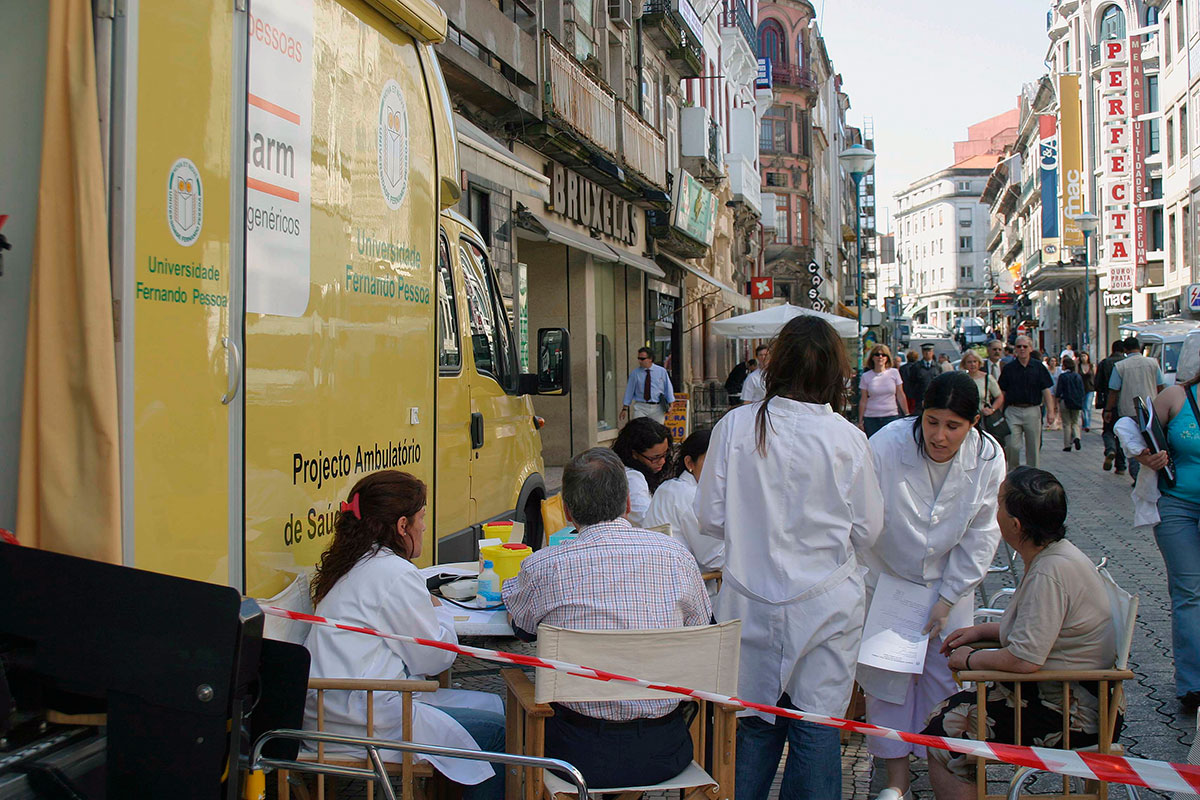
The Fernando Pessoa Foundation for Education and Culture assumes a social mission of great importance, not only in terms of civic education, but also in education for sharing and solidarity with society and the environment in which it operates. In this sense, the FFP's social responsibility areas of action are based on Education, Health, Environment and Culture, translating, in particular, into actions and initiatives such as:

It began its activity in 2002/03 and, since then, has already carried out 159,188 screenings in oral hygiene and health, blood pressure (hypertension and hypotension), osteoporosis, cholesterol and blood glucose.

The CPMD of UFP began its activity in 2002 and, since then, has served 28,500 users, carrying out an average of 14,000 consultations per year.

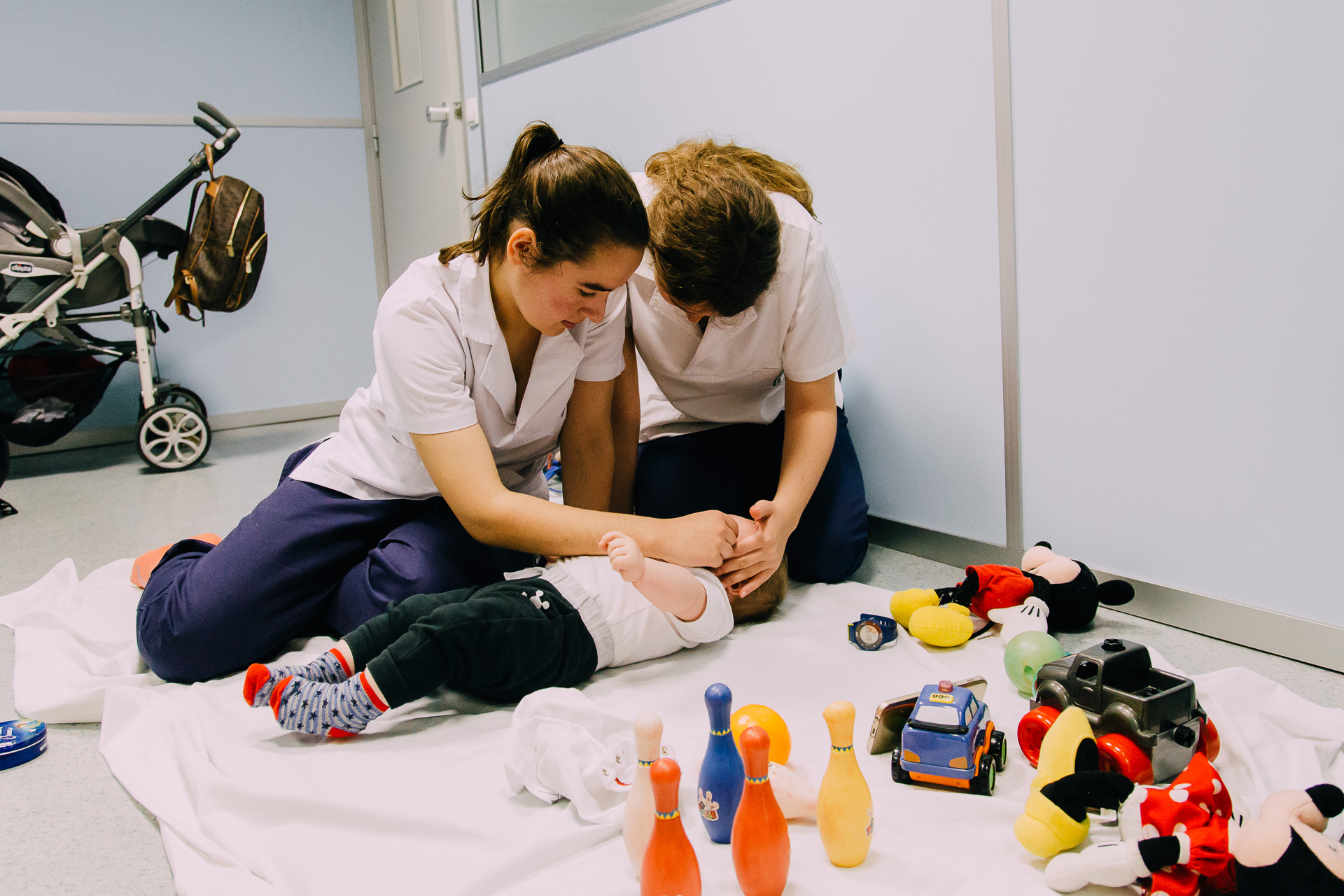
The Pedagogical Physiotherapy Clinic began its activity in 2004 and performs an average of 15,000 treatments annually.

Regarding the provision of psychological services to the community, CPP-UFP has conducted approximately 5,617 hours of consultations since 2013.

The Speech Therapy Pedagogical Clinic has served approximately 1400 patients since 2006.

As part of the Freshmen Welcome Week program, students at Fernando Pessoa University promote social volunteering activities in collaboration with city institutions, such as the Porto Animal Protection Society or Casa do Caminho.

Contact: rsocial@fundacaofernandopessoa.pt

FFP Publications

Since its inception in 1992 and the subsequent publication of its first title to the present day, the Fernando Pessoa Foundation Publications have, through their dynamism and efficiency, developed skills to support the publication of academic works, enabling the dissemination of the scientific and cultural output of teachers and researchers from the Fernando Pessoa University, as well as the Fernando Pessoa Higher School of Health.

In addition to disseminating the scientific output of both the University and the School of Health, FFP Publications also include cultural, literary, and artistic works from individuals and institutions with whom UFP and ESS-FP have agreements, such as the Lisbon Academy of Sciences, thus fulfilling the important role of academic publishers in repositioning the Humanities as a central area of societal development.

The publishing house Publicações Fundação Fernando Pessoa is a founding member of the Portuguese Association of Higher Education Publishers (APEES), established in 2007 with the aim of promoting the unity and strengthening of higher education publishers, boosting university textbooks, and seeking solutions to the specific problems faced by academic publishers.

Visit the website of Publications