INTEGRATED MASTER’S DEGREE
UFP • Bachelor's Degrees and Integrated Master's Degrees • Medicine (MI)
Result of the accreditation process by the Agency for Assessment and Accreditation of Higher Education (A3ES) Decision: Accredited Number of years of accreditation: 6 • Validity period of accreditation: 31/07/2028 A3ES Resolution • Self-assessment report
The Integrated Master's Degree in Medicine is a course accredited by the Agency for Assessment and Accreditation of Higher Education, structured in 12 academic semesters and awarding 360 ECTS credits.
It is an innovative study cycle that incorporates the most advanced medical training methodologies, namely a spiral curriculum development with strong scientific foundations. Learning is based on clinical cases, problems and scientific evidence, which makes it challenging and integrative, emphasizing teamwork, the distinct specificities of the medical profession and promoting critical thinking.
A study plan encompassing all organ systems, a comprehensive view of the life cycle in health and disease, diagnosis, personalized care, and new therapies. Epidemiology, biostatistics, and the scientific method allow for understanding population health, the determinants of health, models and organization of healthcare delivery systems, clinical competencies, ethics, professional values, and answers to scientific questions.
UFP is the only private higher education institution in the country with its own Teaching Hospital, thus guaranteeing its students immersion in a real clinical environment from the beginning of the course, promoting technical skills in various areas of medical practice, and allowing them to develop leadership skills in clinical activity and applied medical research.
ABOUT THE COURSE
ENTRANCE EXAMS
Entrance Exams
General Regime
(02) Biology and Geology
+
(07) Physical Chemistry
+
(19) Mathematics A
Prerequisites: Group A (PDF)
Career opportunities
Doctor
Curriculum Plan
Integrated Master's Degree* • Duration: 10 Semesters • 300 ECTS
According to Notice No. 5557/2023, of March 15
Predominant scientific area: Medicine
* Students who complete the first 180 ECTS credits are awarded a Bachelor's degree in Basic Health Sciences.
Notice: The first three years of the course are taught in English, although some clinical immersion curricular units are taught on a bilingual basis. Clinical Teaching (corresponding to the final three years) is taught in Portuguese.
1st Year • Annual
| Course Unit | ECTS |
|---|---|
Fundamentals of Medical Sciences ICoordinator: Course Objectives and Skills to be Developed: - To understand the scientific foundations of medicine and the current reality of the medicine of the future; - To analyze the social dimension of medicine and understand how health systems function; - To understand the basic concepts of biostatistics and their application to medical sciences; - To understand probability theory and its role in statistical inference and clinical decision-making; - To understand and correctly interpret statistical data and results in the medical literature; - To understand the basic principles of epidemiology and their application to medical sciences; - To reflect on the scientific and bioethical boundaries of medicine; Grammar, psychosociology, and ethics of communication in the doctor-patient relationship; - To know and comply with ethical principles and legal responsibilities, and to guarantee confidentiality and professional secrecy. |
14 |
Molecules, Cells and Disease ICoordinator: Course Objectives and Skills to be Developed: - To understand cellular structure and function based on structure-function relationships and the network of molecular interactions; - To understand the molecular basis of intracellular communication and intercellular signaling; - To understand the phases of the cell cycle and their effects on the body; - To recognize the importance of cell differentiation, proliferation, and death in organic function; - To identify and characterize different types of tissues in the human body; - To understand the molecular and cellular mechanisms of normal bodily function; - To understand the properties of biomolecules and their implications for the functioning of the human body; - To understand the principles of enzymatic activity and its regulation; - To understand the main pathways of energy metabolism and anabolism; - To acquire technical laboratory skills in basic sciences; - To acquire integrated knowledge and skills to recognize, diagnose, and manage physical bodily injury; - Demonstrate self-study and translational research skills. |
14 |
Biofunctional Systems of the Human Body ICoordinator: Course Objectives and Skills to be Developed: - To understand the biofunctional systems of the human body, namely the cardiovascular, respiratory, nervous and sensory organs, and the endocrine and metabolic systems; - To understand the embryological, organogenic, growth, maturation and aging processes of the cardiovascular, respiratory, nervous and sensory organ systems, and the endocrine and metabolic systems; - To learn the morphology and structure of the tissues and organs of these systems, using macroscopic and microscopic methods and imaging techniques, as well as virtual and graphic representation; - To understand the physiology of these biofunctional systems in an integrated way; - To relate the pathology of these systems to semiology, complementary diagnostic methods, and therapeutic options; - To perform techniques, procedures, and assessments relevant to medical training related to these systems; - To integrate theoretical and practical knowledge from basic sciences with the methodology of clinical learning; - Demonstrate the ability to engage in continuous training. |
14 |
Gestures and Clinical Practices ICoordinator: Course Objectives and Skills to be Developed: - To understand the chain of survival that connects the different vital links for successful resuscitation; - Knowing how to activate the Chain of Survival and execute its different steps; - Perform basic life support; - Perform automated external defibrillation; - To understand the primary approach to a person with severe trauma; - To know mobilization and immobilization techniques; - Identify situations and perform appropriate first aid techniques aimed at stabilizing a victim of an accident or sudden illness until more specialized emergency services arrive; - To understand and follow the different aspects of care delivery in the emergency department; - To understand the principles and steps of aseptic technique; - Perform aseptic technique correctly; - To develop clinical reasoning and integrate knowledge from topics covered in other curricular units. |
12 |
Optional I (THE)Choose one of the Optional Units (1st Cycle) — see the corresponding table below. |
6 |
2nd Year • Annual
| Course Unit | ECTS |
|---|---|
Fundamentals of Medical Sciences IICourse Objectives and Skills to be Developed: - To acquire basic knowledge of pharmacology; - To understand the main groups of drugs used in clinical practice for different pathologies, and their mechanism of action, pharmacokinetics, adverse effects, drug interactions, and specificities in special populations; - To understand the main challenges in global health and their relationship with socioeconomic and environmental determinants, access to healthcare, and public policy approaches; - To understand the role of global health actors in responding to historical and emerging global health needs; - To identify maternal and child health as a global health challenge and to understand the importance of monitoring pregnant women, children, and adolescents in Primary Health Care; - To recognize preventive strategies appropriate to public health problems; - To integrate theoretical and practical knowledge of pharmacology and therapeutics, global and preventive medicine, and maternal and child health with the methodology of clinical learning. |
14 |
Molecules, Cells and Disease IICourse Objectives and Skills to be Developed: - To recognize the importance of Genetics in Medicine; - To understand the application of bioinformatics in the knowledge of the human genome; - To understand the structure and function of DNA and types of RNA; - To describe the mechanisms of heredity, genetic alterations, and genetic regulation (classical and epigenetic) and their implications in disease; - To learn about methods for studying genes and their application; - To acquire fundamental knowledge in Microbiology; - To understand the groups of antimicrobials and their mechanisms of action and resistance; - To recognize the clinical manifestations, pathogenesis, epidemiology, and etiology of the main infections affecting different anatomical locations, as well as to intervene in their diagnosis, prevention, and treatment; - To understand the mechanisms of disease and integrate them into systems pathology; - Applying pathology to diagnostic medicine; - To understand the morphophysiological changes and pathologies of the different phases of the life cycle; - Demonstrate self-study and translational research skills. |
14 |
Biofunctional Systems of the Human Body IICourse Objectives and Skills to be Developed: - To understand the biofunctional systems of the human body, namely the digestive, genitourinary, musculoskeletal, head, neck and skin, and the hematological and immune systems; - To understand the embryological, organogenic, growth, maturation, and aging processes of these systems; - To learn the morphology and structure of the tissues and organs of these systems using macroscopic and microscopic methods, as well as imaging techniques and virtual and graphic representation; - To understand and apply biomechanical concepts to the functioning of the musculoskeletal system; - To understand the physiology of these systems in an integrated way; - To relate the pathology of these systems to semiology, complementary diagnostic methods, and therapeutic options; - To perform techniques, procedures, and assessments relevant to medical training related to these systems; - To integrate theoretical and practical knowledge from basic sciences with the methodology of clinical learning; - Demonstrate the ability to engage in continuous training. |
14 |
Gestures and Clinical Practices IICourse Objectives and Skills to be Developed: - Acquisition of basic knowledge in Semiology; - Gathering and organizing medical histories and understanding their importance in clinical decision-making; - To perform semiotic procedures of systems in different phases of life in normal and pathological contexts; - To understand the main imaging methods (radiography, ultrasound, computed tomography, magnetic resonance imaging, scintigraphy and PET), technical resources and physical principles; - To recognize normal sectional anatomy and the most common anatomical variants using imaging methods; - To identify the imaging aspects of common pathological conditions; - Integrate image information with clinical and anatomopathological data; - Apply technical and clinical language in imaging assessments; - To understand the variables associated with the quality standard in various imaging examinations; - To understand the principles of radiation protection; - Introduction to obtaining ultrasound windows; - To become familiar with various healthcare settings and team members. |
12 |
Optional II (THE)Choose one of the Optional Units (1st Cycle) — see the corresponding table below. |
6 |
3rd Year • Annual
| Course Unit | ECTS |
|---|---|
Fundamentals of Medical Sciences IIICourse Objectives and Skills to be Developed: - To understand the ethical, legal, regulatory, and methodological aspects relevant to the design, planning, conduct, interpretation, and reporting of clinical trials; - Understanding the necessary steps in preparing a research project, experimental clinical protocol, or specific clinical trial; - Integrate knowledge tools, such as epidemiology and statistics, into the evidence-based approach to public health problems; - To design and develop statistical studies and use appropriate programs and software to obtain results; - To apply to the development of training and professional activities processes specific to scientific and translational research; - To identify nutritional and dietary needs at different stages of the life cycle; - To understand the basics of nutritional epidemiology; - Correctly interpret anthropometric indicators; - To recognize, diagnose, and guide the treatment of nutritional pathologies; - Medically assess nutritional status and prescribe an appropriate diet. |
16 |
Molecules, Cells, and Disease IIICourse Objectives and Skills to be Developed: - To understand the structure of the immune system; - To understand the mechanisms of the immune response (physiological and pathological) and its modulation; - To understand the pathophysiology, risk factors, and the role of dyslipidemia, hypertension, and diabetes mellitus in the etiology of atherosclerosis; - To understand the cardiocerebrovascular complications of atherosclerosis, its prevention, diagnosis, and treatment; - To understand the mechanisms of microbial emergence and strategies for detection and containment; - To understand (re)emerging infectious diseases, their etiology, prevention, and treatment; - To intervene in the prevention and control of healthcare-associated infections and antimicrobial resistance, promoting patient safety; - To understand the mechanisms of carcinogenesis and tumor progression; - To recognize oncological diseases and the importance of an individualized and interdisciplinary approach; - Acquire technical skills in a simulation laboratory; - Demonstrate the ability to communicate with peers and with experts. |
14 |
Gestures and Clinical Practices IIICourse Objectives and Skills to be Developed: - To evaluate the usefulness and cost-effectiveness of complementary diagnostic tests in a pathology or clinical situation; - To collect and organize the clinical history and understand its importance in clinical decision-making; - To perform different semiotic procedures on the organs and systems of the human being, in the different phases of the life cycle, in normal and pathological contexts; - Understanding the challenges of conducting medical history and physical examinations in adverse settings; - To explain the major patterns of systemic pathology and organ pathology; - To acquire fluency in the oral presentation of clinical cases in a concise and formal manner; - To recognize, stratify, and monitor a critically ill patient; - Knowledge of sedation, anesthesia, and analgesia techniques; - To identify and quantify the degree of pain; to know the basics of pain treatment; - To become familiar with various healthcare settings; - To understand the different elements of healthcare teams and their roles. |
12 |
Mental healthCourse Objectives and Skills to be Developed: - To understand the biological, psychological, and social foundations of personality and behavior; - To recognize, diagnose, and guide the approach to psychiatric disorders; psychotherapy; - To know the main drug groups, dosage, routes of administration and pharmacokinetics; interactions and adverse effects; - Understanding the processes of prescription and pharmacovigilance; - To understand the pharmacology of different biofunctional systems; - To demonstrate the ability to reflect critically on professional activity; - To communicate knowledge, methodologies, ideas, problems, and solutions clearly and precisely to all types of audiences, whether specialized or not. |
12 |
Optional III (THE)Choose one of the Optional Units (1st Cycle) as offered. |
6 |
(the) Optional Units (1st Cycle)
| Course Unit | ECTS |
|---|---|
Environment and HealthThis course aims to equip students with basic knowledge in the field of the environment, linking current environmental problems with public health — the impact of pollutants, microplastics and climate change — and understanding ecotoxicology, biomonitoring, biomarkers; applying this knowledge in health practice, focusing on disease prevention. |
6 |
Human BehaviorObjectives: - To understand the nature of human behavior; - Using psychological theories to explain healthy behavior; - To explain aspects of human development, the life cycle, relational and family dynamics, and their impact on individual behavior; - To discuss how identity, motivation, and personality shape behavior; - Describe the influence of cognition and emotions on behavior; - To demonstrate how the illness impacts psychological adjustment; - Applying behavioral models to promote individual, family, and community health and well-being; - To develop therapeutic skills, effective communication, and ethical values applicable to medical practice. |
6 |
Augmentative and Alternative CommunicationObjectives: - To reflect on the importance of interpersonal communication beyond speech; - Knowledge of gestural and graphic communication; - Identify candidates for AAC programs and justify their application; - Adapt your communication style to meet the needs of the patient during care delivery; - Consider cultural and environmental aspects to adapt the communication process; - Justify the use of communication support products; - To recognize teamwork (with family) within the scope of AAC and the roles of the participants. |
6 |
Exercise and HealthObjectives: - To acquire knowledge and practical skills about physical exercise and its impact on health; - Understanding the benefits and risks of exercise; - To recognize different components of physical exercise; - Identify types of exercise for different populations, with or without associated pathologies. |
6 |
Grammar of Communication and Medical TerminologyObjective: To master scientific research and production techniques, acquire structuring theoretical and practical skills for the production of scientific texts, and use discursive structures appropriate to the health field. |
6 |
History of MedicineObjectives: - To understand the historical evolution of medicine: from primitive anthropology to biosensors and precision medicine; - Studying the doctor-patient relationship: from traditional semiology to modern medicine; - To understand the evolution of the organization of health services, their management, policy, economics, and techniques. |
6 |
Digital HumanitiesObjective: To critically understand how networked technologies transform knowledge and communication processes, and to develop the capacity for analysis and expression in multidisciplinary contexts. |
6 |
Scientific Reading and WritingObjectives: - To know the different types of scientific studies (qualitative, quantitative, quasi-experimental, randomized); - Learn how to design a scientific study: purpose, methods, sample, statistics, analysis, and conclusions; - Analyze scientific articles with critical thinking and produce rebuttals;
- To develop skills in reading, oral presentation, argumentation, and clear, concise, and precise writing; - To understand the ethical principles in scientific research. |
6 |
Pain MedicineObjectives: - To understand the clinical and social relevance of pain in its different components; - To study basic physiological concepts of pain, its acute and chronic manifestations; - To understand the specific characteristics of pain in different age groups and types of pathology; - Review the most commonly used pharmacological and non-pharmacological techniques in pain management. |
6 |
Emergency and Disaster MedicineObjectives: - To prepare the student for work in resuscitation, emergencies and disasters; - To understand the organization and functioning of emergency services; - To acquire the skills to integrate medical care in life-threatening or disaster situations. |
6 |
Medicine and Other ArtsObjectives: - To reflect on the role of culture and the arts in humanizing medical practice; - Understanding how social, psychological, and cultural factors affect health; - To value art as an instrument of humanization and therapy; - To promote an understanding of human beings as a result of sensory, emotional, and cultural experience. |
6 |
Cognitive NeuroscienceObjectives: - To identify and define the basic terminology of cognitive neuroscience; - To understand the theoretical origins of cognitive psychology and its relationship to medicine; - To become familiar with neuropsychological and imaging methods and to understand their potential and limitations; - To understand the biological processes underlying human cognition and their relationship to brain anatomy and function; - To critically evaluate advances in neuroscience within a medical context. |
6 |
New Therapeutics in Precision MedicineObjectives: - To learn about emerging therapeutic platforms based on nanomaterials and gene editing; - Understanding patient stratification via biomarkers and genetic information; - To address cell therapies, immune modulation, and targeted drug delivery; - Understanding the challenges of altered pharmacokinetics in pathological states and the potential of precision medicine. |
6 |
Nutrition and DieteticsObjectives: - To study the concepts of nutrition, food, and dietetics; - Identify factors that influence food choices; - Understanding nutrients, digestion, metabolism, and dietary recommendations; - Understanding food groups, their sources, functions, and recommendations; - Apply the principles of healthy and balanced eating; - Analyze nutritional information, work in a team, and develop critical thinking and problem-solving skills. |
6 |
4th Year • Annual
| Course Unit | ECTS |
|---|---|
Surgery IObjectives: - Acquire/develop knowledge of surgical vocabulary; global aspects of surgical pathology and its pathophysiology; clinical situations with elective and urgent surgical indications; complementary examinations; principles of surgical treatment and most common surgical techniques; frequent post-surgical syndromes and complications; - Interpret medical history, physical examination, and complementary tests to formulate a diagnosis and treatment plan; - Perform basic surgical procedures and techniques; - To anticipate prognosis and assess surgical risk, and to master assessment tools; - Carry out pre-habilitation protocols and protocols in emergency situations; - To be familiar with the technical resources for surgical procedures in a healthcare setting; - To develop clinical skills in the field of surgery and related medical specialties. |
14 |
Complementary Training IObjectives: - To recognize the most common neurological, ophthalmological, musculoskeletal, and urological diseases, urgencies, and emergencies, and to know how to manage them; including when and how to refer to a specialist; - To integrate clinical knowledge with basic sciences to prevent, diagnose, and treat the most common diseases; - To develop skills in clinical examination (medical history, physical examination, neurological examination) and differential diagnosis; - To reflect critically on indications for medical, surgical or rehabilitation treatment and to plan treatments; - To understand integrated work within healthcare teams and apply simple diagnostic techniques as an adjunct to clinical practice; - Apply clinical communication skills in the doctor-patient relationship. |
12 |
Medical Gestures and Practices IObjectives: - Use a structured sequence for patient assessment and systematize data; - Identify patients with respiratory distress; assess and treat respiratory dysfunction/failure; - To identify, assess, and treat circulatory dysfunction or failure; - To perform neurological examinations and interpret semiological changes; - To diagnose and treat diseases of the nervous system; - Identify, assess, and treat hematological failure; understand the use of blood components and complications; - Identify urgent/emergency situations and know the immediate therapeutic indication for them. |
12 |
Medicine IObjectives: - To integrate clinical knowledge (semiology, pathophysiology, propaedeutics, clinical aspects) with basic sciences (anatomy, physiology, biology, immunology, genetics, etc.) to prevent, diagnose, and treat common diseases of the organs or systems; - To develop skills in clinical examination (medical history, physical examination) and differential diagnosis, with emphasis on main clinical signs, symptoms and syndromes; - To know about therapeutic options and plan treatments; - To develop clinical reasoning and a multidisciplinary approach to the patient; - To apply diagnostic techniques that complement clinical practice; - To develop appropriate clinical communication for the doctor-patient relationship. |
16 |
Optional IV (B)Choose one of the Optional Units (2nd Cycle) as offered. |
6 |
5th Grade • Annual
| Course Unit | ECTS |
|---|---|
Surgery IIObjectives: - To complement clinical skills in surgery and related specialties, expanding into surgical oncology, which has not been previously addressed; - In Vascular Surgery: to study acute and chronic obstructive/aneurysmal arterial and venous diseases; - In Plastic Surgery: addressing reconstructive surgery of the head, neck, breast, and limbs; breast aesthetics and body contouring; pathophysiology of burn patients; - In minimally invasive surgery: learn about technological advancements and less invasive techniques with a smoother postoperative period. |
14 |
Complementary Training IIObjectives: - Recognize the most common gynecological, obstetric, pediatric, and otorhinolaryngological diseases, urgencies, and emergencies; know when to refer to a specialist; - To integrate clinical knowledge with basic sciences for the prevention, diagnosis, and treatment of the most common diseases; - To develop skills in clinical examination and differential diagnosis; - To assess indications for medical, surgical, or rehabilitation treatment; to plan treatments; - To understand the importance of professional practice within healthcare teams; - Apply simple diagnostic techniques that complement clinical practice and effective medical communication; - To recognize the importance of disease prevention and clinical preventive medicine. |
12 |
Medical Gestures and Practices IIObjectives: - Use a structured patient assessment sequence and systematize data; - Analyze blood gas analysis, identify respiratory failure, acid-base and hydroelectrolytic imbalances; - Identify hypoglycemic or hyperosmolar syndromes; intoxications; withdrawal symptoms; - Identify arrhythmias and severity criteria; - Assess level of consciousness, coma, causes, and medical approach; - Identify acute renal failure/chronic kidney disease; - Identify urgent/emergency situations and implement immediate treatment. |
12 |
Medicine IIObjectives: - To integrate clinical knowledge and basic sciences for the prevention, diagnosis, and treatment of the most common diseases; - To develop clinical reasoning, differential diagnosis, and treatment planning skills; - Apply auxiliary diagnostic techniques; - To develop doctor-patient communication and a multidisciplinary approach. |
16 |
Optional V (B)Choose one of the Optional Units (2nd Cycle) as offered. |
6 |
6th Grade • Annual
| Course Unit | ECTS |
|---|---|
DissertationObjectives: - To allow the student to prepare a scientific research paper (article or dissertation) as a requirement for obtaining a Master's degree in Medicine; - To demand originality in the research question, proper evidence gathering, and scientific elaboration with rigor and clarity; - Submit work in Portuguese and/or English, with methodological rigor and peer review (when applicable). |
8 |
Complementary Training IIIObjectives: - To recognize common oncological and dermatological diseases, urgencies and emergencies, and to know how to guide the patient or refer them to a specialist; - To integrate knowledge from basic sciences with clinical practice for prevention, diagnosis, and treatment; - To develop skills in physical examination, differential diagnosis, and treatment planning; - Apply clinical communication and teamwork in a healthcare setting. |
8 |
Medical Gestures and Practices IIIObjectives: - To train healthcare professionals to work in resuscitation teams (CSIV); - To train in basic ultrasound (CBEcoDC) and trauma management; - Prepare for intervention in sepsis, acute respiratory failure, ventilation, and critical care; - To consolidate practical and theoretical skills acquired in previous years. |
14 |
Integrated Clinical PracticeObjectives: - Identify and guide patients requiring surgery and those in emergency situations; - Perform minor surgeries and dressings; - To diagnose and treat pediatric, gynecological, obstetric, and community-acquired pathologies; - Applying clinical methods, promoting health, prevention, screening, and well-being; - Apply medical communication and interdisciplinary work; - To perform basic examinations and therapies with appropriate ethical and technical guidance. |
30 |
(b) Optional Units (2nd Cycle)
| Course Unit | ECTS |
|---|---|
Physiological Basis of SleepObjectives: - To provide an overview of the physiological basis of sleep; - To allow for the evaluation of physiological mechanisms related to sleep for clinical use and research; - To introduce scientific research methodologies in the field of sleep. |
6 |
Tropical Diseases and Traveler's ConsultationObjectives: - Acquisition of knowledge and practical skills regarding planning methodologies and clinical intervention in tropical diseases and travel medicine. |
6 |
Infection in Medical PracticeObjectives: - To understand the main mechanisms of infection; - Understanding infection prevention methods and practices; - To understand the mechanisms of antibiotic resistance and their clinical implications. |
6 |
Artificial Intelligence and New Medical DevicesObjectives: - Characterize AI and Machine Learning as applied to Healthcare; - Identify software applications as medical devices; - To recognize regulatory opportunities and challenges for software-based medical devices. |
6 |
Introduction to Clinical OncologyObjectives: - To acquire theoretical and practical knowledge in oncology; - To study methodologies for diagnosis, staging, follow-up, treatment, intervention, and clinical communication in the oncological context. |
6 |
Sports and Exercise MedicineObjectives: - To become familiar with the field of Sports and Exercise Medicine; - To study sports medical evaluation, prescription of therapeutic or recreational exercise, injury prevention and rehabilitation; - To guide athletes at different levels (competitions or leisure), focusing on health, well-being, and injury prevention. |
6 |
Narrative MedicineObjectives: - Understanding the role of narrative and communication in the clinical encounter; - To develop communication and self-awareness strategies for ethical and humane medical practice. |
6 |
New Trends in Leadership and Healthcare ManagementObjectives: - To understand modern concepts of leadership and management in healthcare; - To assess the importance of innovation, organization, and interpersonal skills in responding to changes in the healthcare system; - To develop the necessary attitudes and skills in a dynamic and multidisciplinary professional context. |
6 |
Health Policies and LegislationObjectives: - To assimilate essential concepts from the political and legal areas of health; - Understanding patient rights, drug regulation, and the legal relationship between provider and user; - To raise awareness of the ethical, legal, and social implications in medical and public health practice. |
6 |
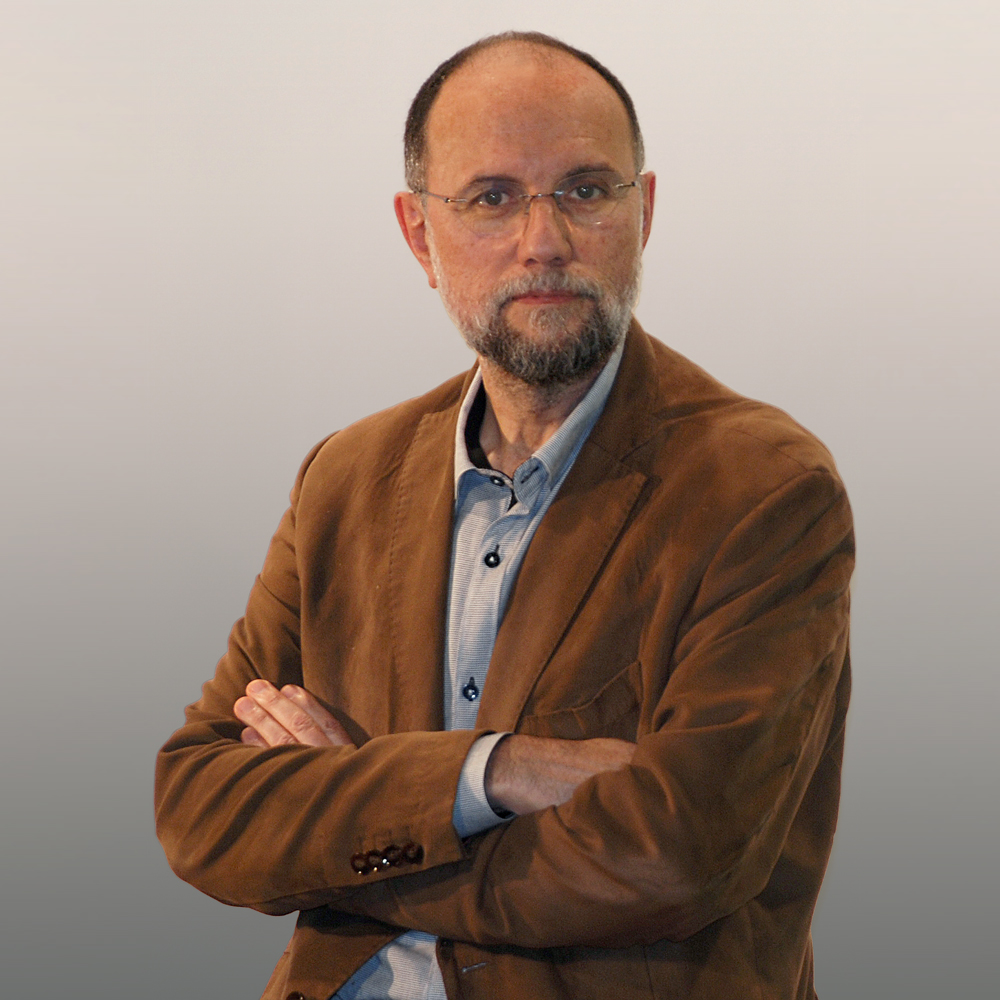
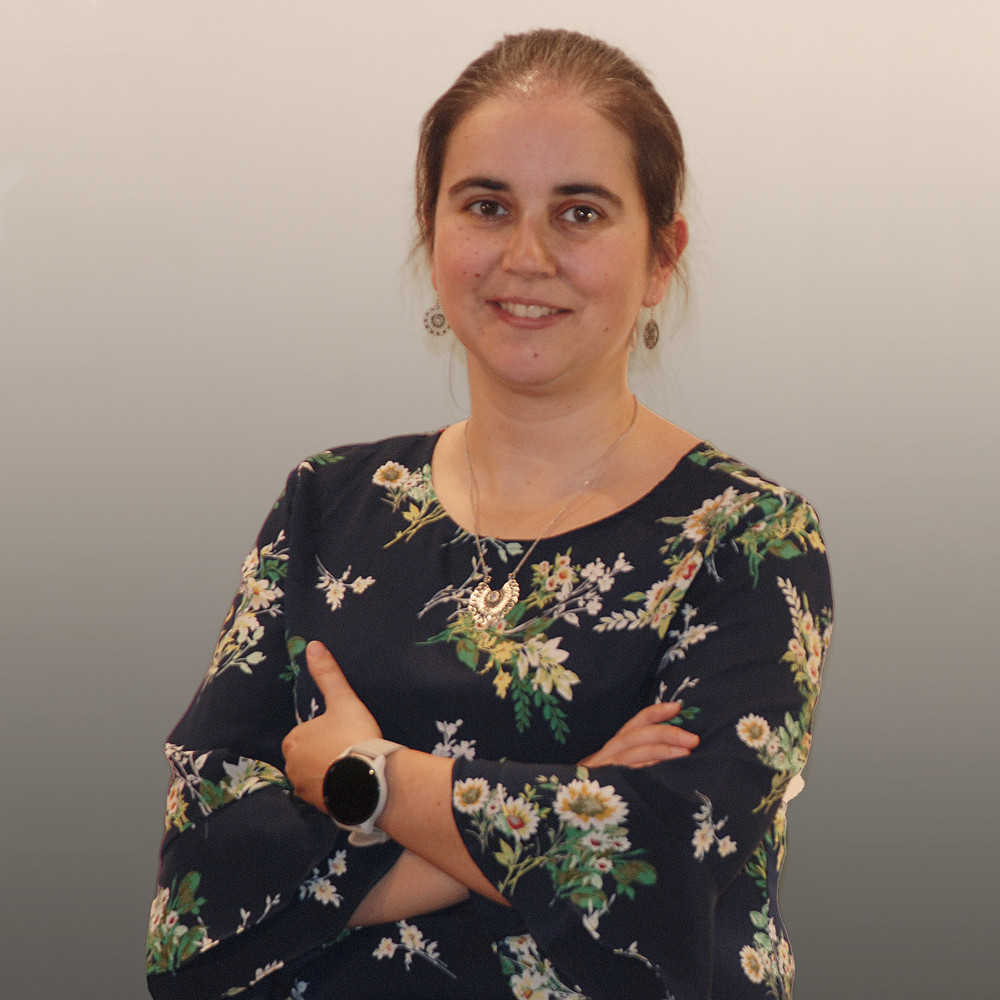
Coordination
To request a visit to the School of Medicine and Biomedical Sciences (EMCB), send an email to: visitas.emcb@ufp.edu.pt
Request information about the course:
ERASMUS+ EXCHANGE
Students at the Fernando Pessoa University (UFP) who meet the eligibility criteria have the opportunity to undertake periods of study and/or internships through international mobility programs.
International student study periods are carried out at higher education institutions outside of Portugal with which UFP maintains student exchange agreements under the Erasmus+ Program (within the European area), or other existing bilateral exchange agreements.
Information regarding mobility/exchange programs is available through the International Relations Office. (connection).
PRICE LIST & APPLICATION CONDITIONS
Please see the current Price List below. The amounts are organised by attendance regime, “General Regime” and “Regime for the attendance of standalone curricular units (ECTS)”, and differentiated between “National Student” and “Non-National Student”. For further information regarding the Application Conditions, please use the button provided.