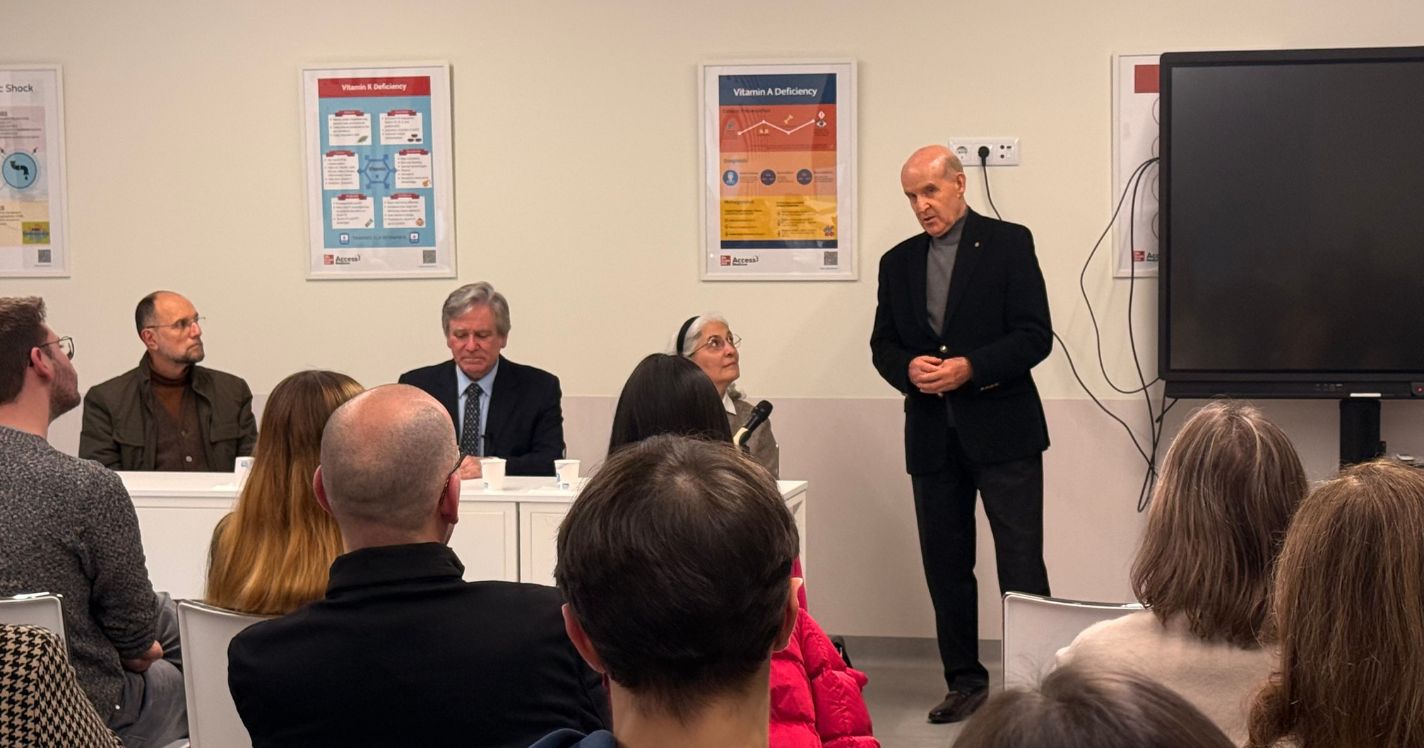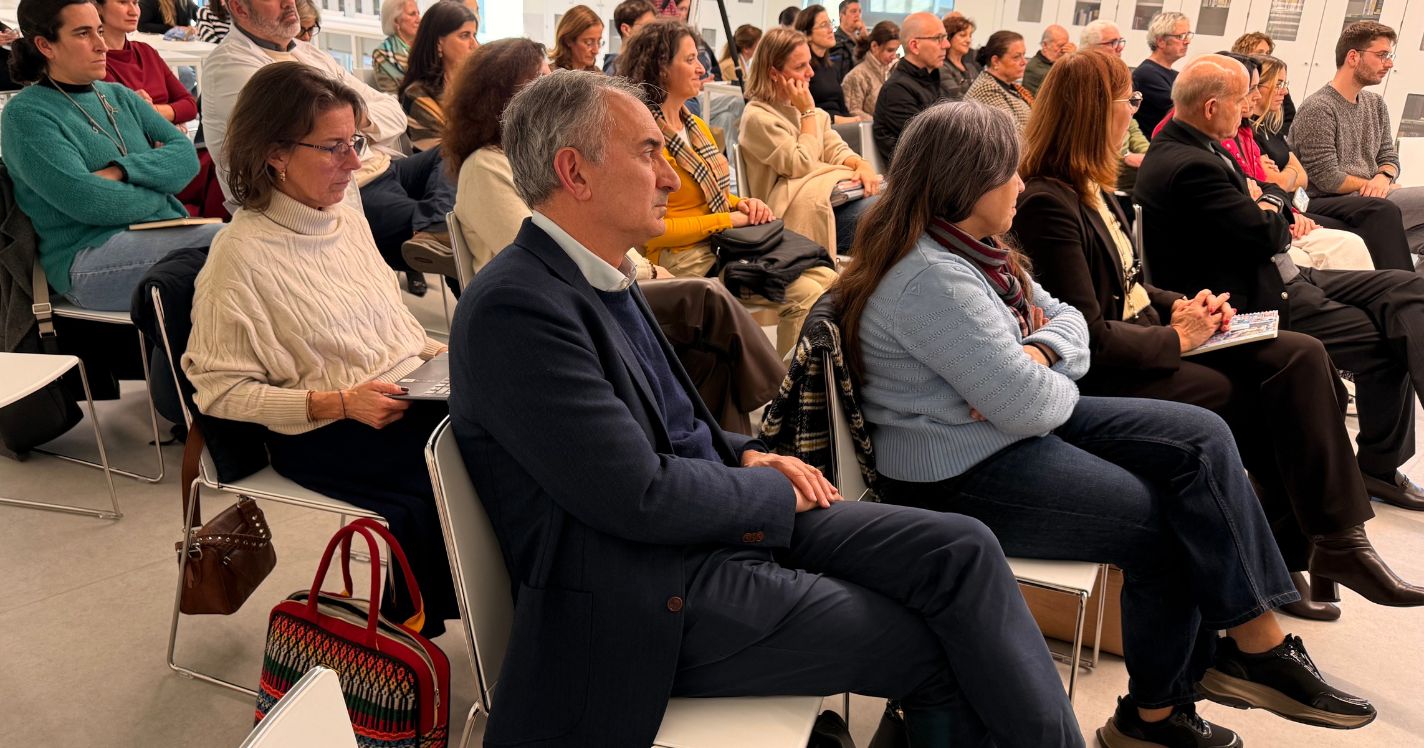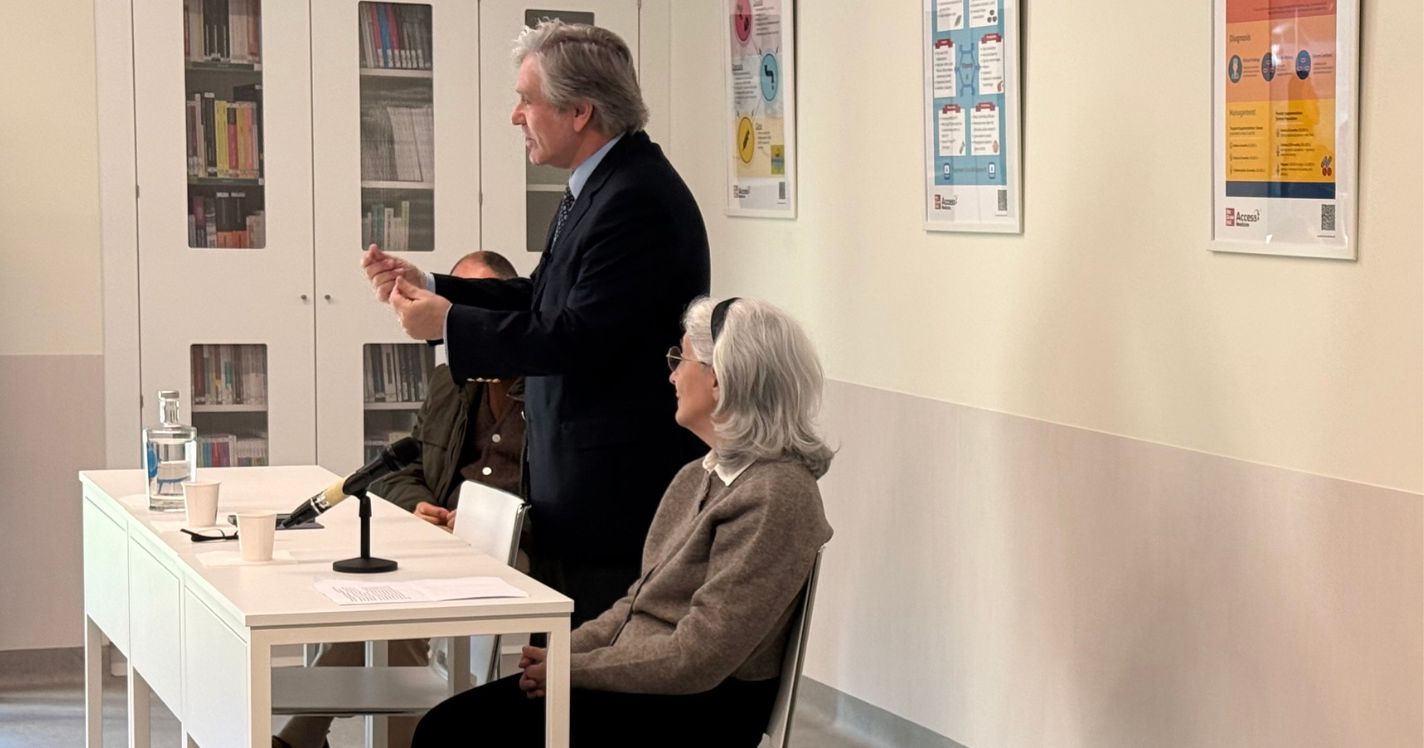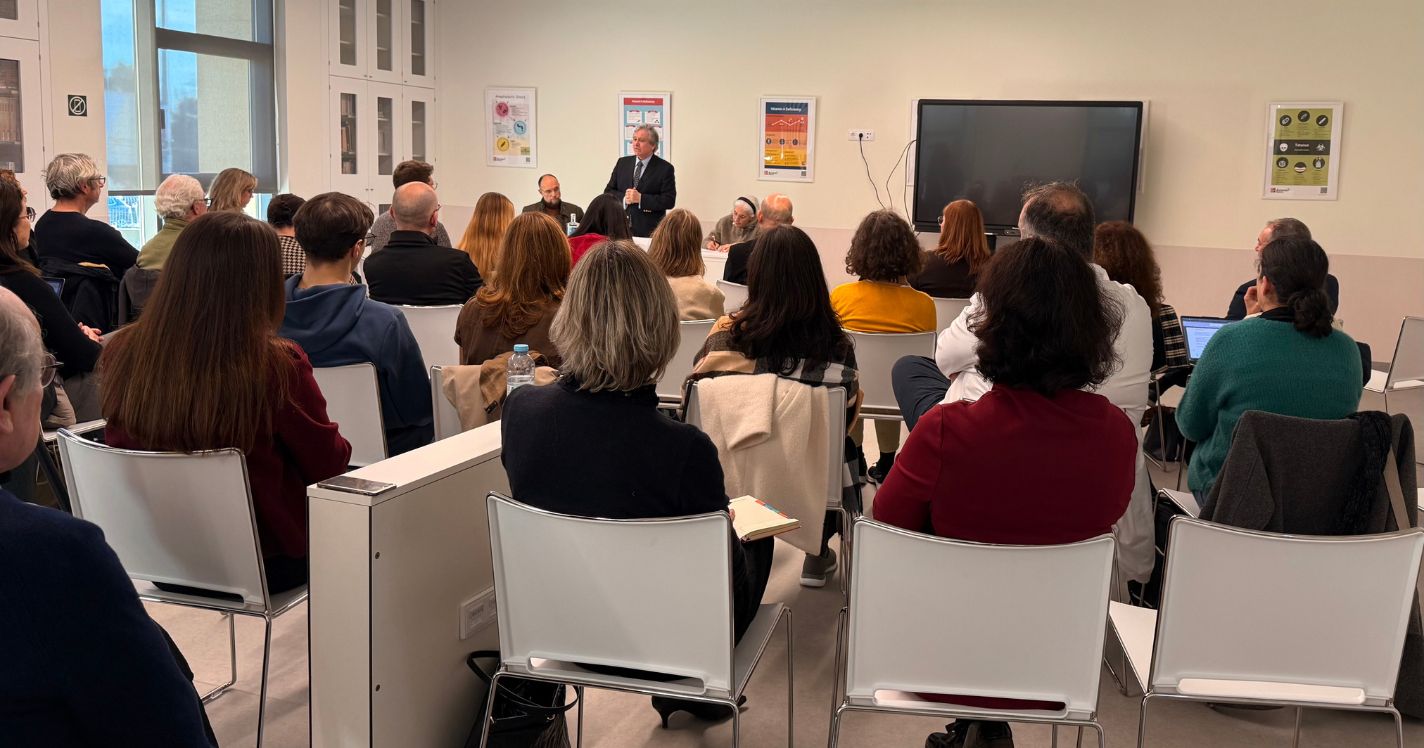
The Fernando Pessoa Foundation's International Bioethics Chair has kicked off its 2026 activities with an inaugural conference dedicated to the contemporary challenges of bioethics in the digital age, under the annual theme “The Human and the Machine: Bioethics, Artificial Intelligence and Sustainable Societies”.
The session, held on 14 January at 3:30 pm, at the School of Medicine and Biomedical Sciences (EMCB) of the Fernando Pessoa University, in Gondomar, opened with a welcome from the Director of EMCB, Prof. Dr. Lúcio Lara Santos, who highlighted the importance of promoting spaces for reflection and debate on the ongoing technological transformation and its impact on health and society.
The conference featured an address by Professor Rui Nunes, President of the Network of International Bioethics Chairs, who discussed the ethical challenges associated with the increasing use of Artificial Intelligence in healthcare, both in scientific research and in the doctor-patient relationship, as well as in citizen autonomy. Among the highlighted topics were the protection of health data and research results, rapid diagnoses generated by AI systems, remote patient monitoring, and the introduction of robotic technologies in various clinical settings. These increasingly prevalent realities underscore the need for continuous ethical reflection that does not act as a brake on innovation, but rather as a guide to ensure that technological progress preserves the human element and care, guaranteeing the responsible use of AI, particularly in decision-making processes.
At the closing of the session, the President of the Fernando Pessoa Foundation, Professor Doctor Salvato Trigo, reinforced the importance of critically thinking about technology and its limits. He underlined that Artificial Intelligence is based on past data and records, produced by humans, and can therefore reproduce errors, biases, and limitations present in the databases that feed it. He also warned about the risks of excessive automation, including in the healthcare sector, arguing that scientific and technological development must be accompanied by guiding ethics, capable of ensuring that innovation serves human dignity and the human dimension of care.
The initiative was attended by teaching staff, health sciences students — particularly from the Integrated Master's in Medicine — as well as collaborators, reflecting the transversal interest of the academic and institutional community of Fundação Fernando Pessoa in the ethical issues associated with Artificial Intelligence and the impact of emerging technologies on health and care.