Doctorate
UFP • Doctorates • Communication Sciences (D)
Result of the accreditation process by the Agency for Assessment and Accreditation of Higher Education (A3ES) • Decision: Accredited Number of years of accreditation: 6 • Validity period of accreditation: 31/07/2027 A3ES Resolution • Self-assessment report
Maximum number of admissions: 15
ABOUT THE COURSE
FRAMING
Fernando Pessoa University crowns years of teaching and research experience in Communication Sciences with the offering of a new 3rd cycle of studies in Communication Sciences, fully accredited by A3ES, to begin in the 2021/2022 academic year.
The new course builds upon the memory, tradition of studies, and scientific production in the field of Journalism and Media Studies from the discontinued doctoral program in Information Sciences, materialized, in particular, in the public defense of theses presented by more than 30 doctoral graduates of various nationalities. Three of the theses already completed and two more of the 10 in progress were/are being developed in academic co-supervision with universities in Brazil.
The course also capitalizes on the collection of the scientific yearbook Journalism and Media Studies – Memory and the quality of the annual peer-reviewed scientific event Journalism and Media Studies Day, from the Journalism and Media Studies branch of the aforementioned doctoral program in Information Sciences, activities that it will continue.
TEACHING LANGUAGES
The languages of instruction for the doctoral program are Portuguese and English.
Doctoral theses are normally written and presented in Portuguese. However, at the doctoral candidate's request to the Rector, with a positive opinion from the supervisor, it may be written and presented in English, Spanish, or French.
OBJECTIVES
The PhD program in Communication Sciences at Fernando Pessoa University aims to stimulate in-depth teaching, scientific research, and critical thinking about the most important and decisive "commodity" of contemporary societies – information, its core nature and vehicular and discursive diversity; about organic and inorganic communication strategies, their grammars and rhetorical arts; about the boundaries between information and disinformation; about "populism," the "proselytism of ignorance," and the "passion for idiocy," as Umberto Eco described it, phenomena that, along with the commodification of hate, are worryingly swarming social/digital networks; about the collection and processing of information and the credibility of sources; about the limits of freedom of information and the right to information; and about information management and ethics.
He will therefore seek to:
- To develop a systematic understanding of the genesis, nature, and essential function of information mediation and the critical consumption of messages;
- To provide skills, develop aptitudes, and promote the understanding of advanced scientific research methods in Communication Sciences;
- To guide and empower the design and development of an original research project in the field of Communication Sciences (doctoral thesis), which, while respecting academic integrity, makes it possible to add to or reach a new level of knowledge.
COURSE DURATION
Typically, the duration of the study cycle is three years, which may be extended by one or two more years. The timeframe may be interrupted for legally and routinely admissible reasons.
The 3rd cycle of studies (doctorate) in Communication Sciences awards 180 ECTS credits, of which the first 60 correspond to the doctoral course, whose study plan consists of mandatory and optional curricular units.
SCIENTIFIC YEARBOOK
The PhD program in Communication Sciences has a peer-reviewed scientific journal., Journalism and Media Studies – Memory, This journal collects, in the form of scientific articles, contributions from doctoral students and PhDs to the production of new communicational knowledge. Published issues, always in the form of open-access e-books, can be consulted and downloaded from the Fernando Pessoa Foundation Repository.
- Journalism and Media Studies – Memory
- Journalism and Media Studies – Thesis II
- Journalism and Media Studies – Thesis III
- Journalism and Media Studies – Thesis IV
- Journalism and Media Studies – Thesis V
- Journalism and Media Studies – Thesis VI
- Journalism and Media Studies – Proceedings VII
ANNUAL SCIENTIFIC EVENT
Continuing the practice established in the Journalism and Media Studies branch of the PhD program in Information Sciences, the PhD program in Communication Sciences holds an annual peer-reviewed scientific event, designed to provide a forum for the presentation and discussion of research conducted by doctoral students and post-doctoral graduates. Several editions of this annual scientific meeting have already taken place. Program and abstracts available:
- Journalism and Media Studies Day
- Journalism and Media Studies Day – 2nd Edition
- Journalism and Media Studies Day – 3rd Edition
- Journalism and Media Studies Day – 4th Edition
- Journalism and Media Studies Day – 5th Edition (2022)
- Journalism and Media Studies Day – 6th Edition (2023)
- Journalism and Media Studies Day – 7th Edition (2024)
- Journalism and Media Studies Day – 8th Edition (2025)
Curriculum Plan
3rd Cycle (Doctorate) • 3 years (1 year: curriculum planning; 2 years: thesis preparation) • According to Order No. 6767/2021, of July 9, Official Gazette No. 132, 2nd Series, Part E • Predominant scientific area: Communication Sciences
The first year is reserved for attending preparatory curricular units, designed to deepen knowledge and mastery of research techniques in the field of Communication Sciences. At the end of the first year, the student is expected to successfully complete a formative qualification exam for the thesis project, before a jury of three PhD-holding professors, one of whom is the supervisor. The remaining two years (or up to two more years, if an extension is granted) should be dedicated to research leading to the preparation of the thesis.
1st YEAR • 1st SEMESTER
| COURSE UNIT | ECTS |
|---|---|
| Research methods and techniques in communication sciences | 15 |
| Trends and problems of globalization and the information society. | 5 |
| Option (choose one): • History and evolutionary trends of journalism • Social media, literacy and digital culture |
10 |
1st YEAR • 2nd SEMESTER
| COURSE UNIT | ECTS |
|---|---|
| Argumentation, evidence, and post-truth | 15 |
| Design of the research project, preparation and editing of the thesis. | 15 |
2nd YEAR • ANNUAL
| COURSE UNIT | ECTS |
|---|---|
| Doctoral thesis | 60 |
3rd YEAR • ANNUAL
| COURSE UNIT | ECTS |
|---|---|
| Doctoral thesis | 60 |
Research Lines
Typically, research projects focused on all areas and phenomena of social communication are accepted, with an emphasis on journalism, advertising, public relations and institutional and marketing communication, new media and mobility, web and social networks, automation of communication processes, infographics and data visualization, history of communication and media.
The PhD program in Communication Sciences at Fernando Pessoa University has its own faculty, with extensive teaching, research, and professional experience in various areas of social communication. While not exhaustive or rigid, the faculty are primarily focused on guiding research projects for doctoral theses in their preferred research fields.
If you are considering enrolling in the PhD program in Communication Sciences at the Fernando Pessoa University, please contact one of the course's lecturers beforehand, based on your mutual research interests. You are free to choose your supervisor, who will help you draft your doctoral thesis statement. This statement of intent must be submitted with your application.
You may also Contact the course coordinator., which can help you with your application and choice of supervisor.
Coordination & contacts
Professor Doctor Renato Essenfelder
Request information about the course:
TEACHING STAFF
JORGE PEDRO SOUSA
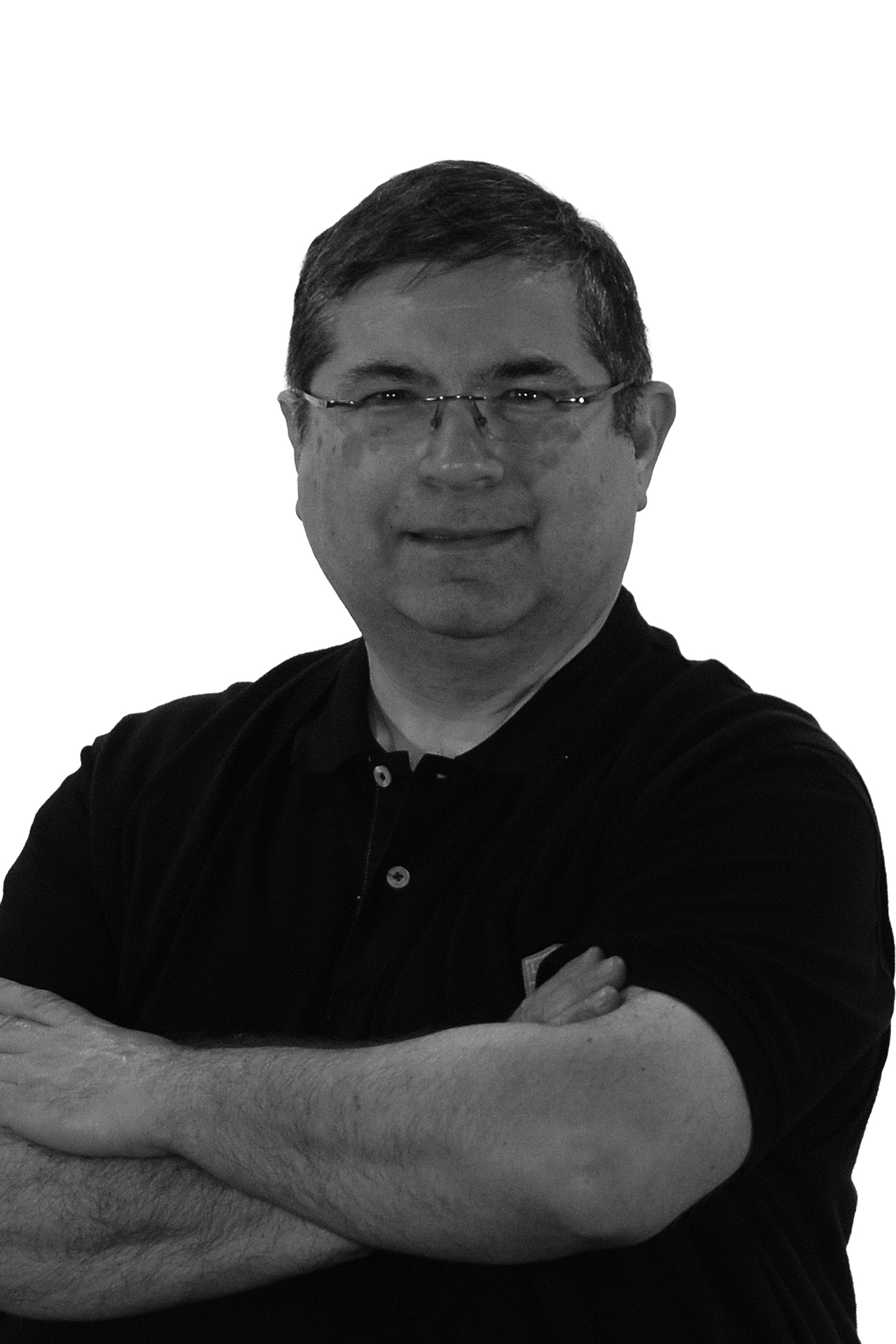
Contact: jpsousa@ufp.edu.pt
CV Public ScienceVitae: https://www.cienciavitae.pt/portal/4110-C40A-9ACF
CV Lattes public: http://lattes.cnpq.br/1331033759912878
Preferred lines of research and guidelines:
History of communication, journalism, journalists and the media; biography and work of journalists; professional memoirs of journalists; history of journalistic media; historical-discursive and content analysis of media coverage of past events.
Constants and changes in journalistic practices and processes (newsmaking, Productive routines, ethnographic studies in newsrooms…) and the impact of digital technology and mobile devices.
Photojournalism (history, biography and works of photojournalists, professional practices, speeches).
ANA GABRIELA NOGUEIRA
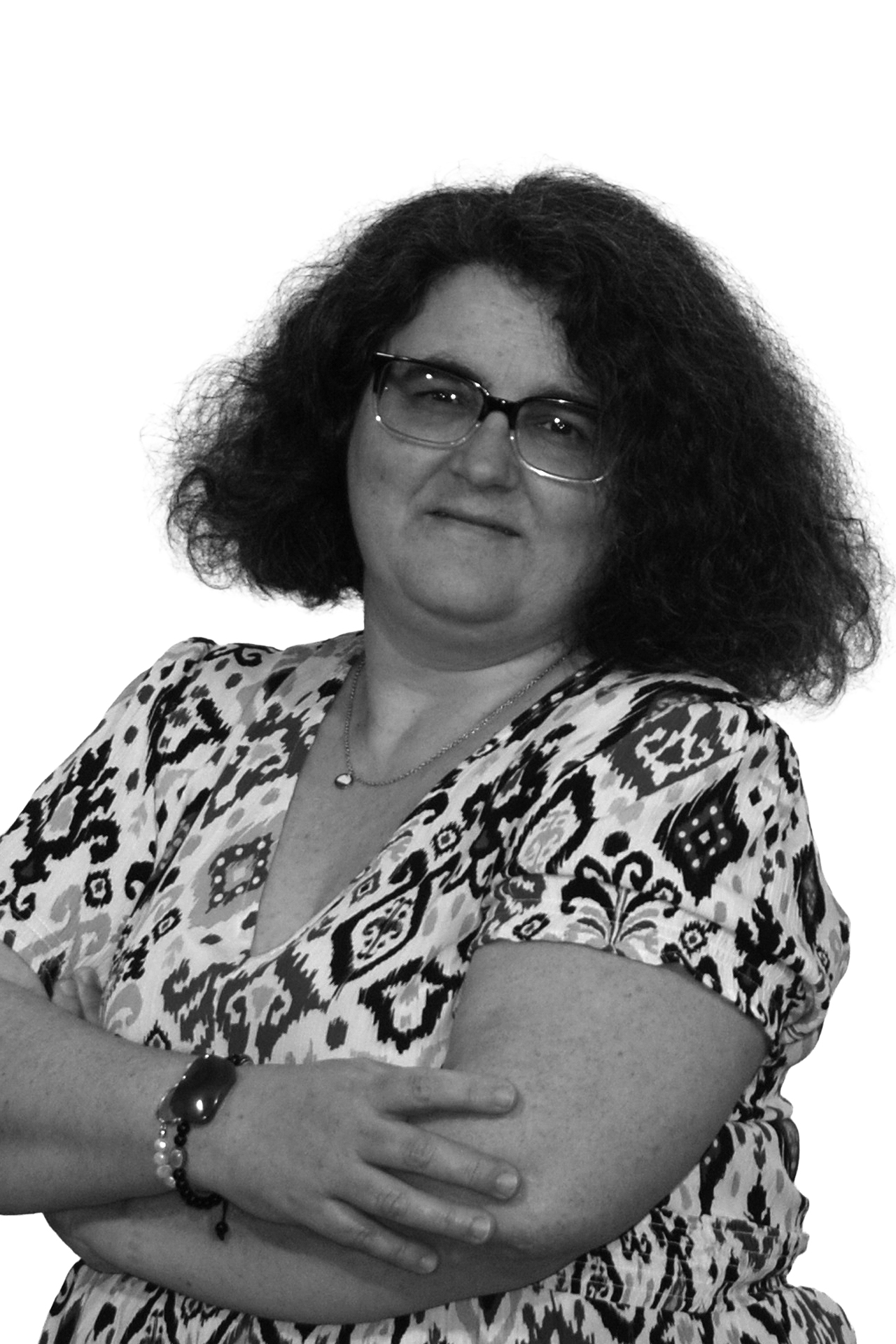
Contact: ana@ufp.edu.pt
CV Public ScienceVitae: https://www.cienciavitae.pt/portal/441F-FE38-E558
Preferred lines of research and guidelines:
- Journalistic infographics;
- Perception and accessibility of information;
- Automation of journalistic content.
ANDREIA GALHARDO

Contact: galhardo@ufp.edu.pt
CV Public ScienceVitae: https://www.cienciavitae.pt//pt/DD12-BD12-525C
Preferred lines of research and guidelines:
- Tourism communication in online media;
- Appeals and values in advertising and other media discourse;
- Marketing, Advertising and the Pandemic: Creative and Market Disruptions.
EDUARDO PAZ BARROSO
Contact: epb@ufp.edu.pt
CV Public ScienceVitae: https://www.cienciavitae.pt/portal/6417-1D90-7158
Preferred lines of research and guidelines:
- Cinema, journalism and society;
- Journalism, culture and arts;
- Journalism, argumentation, and criticism.
FRANCISCO MESQUITA
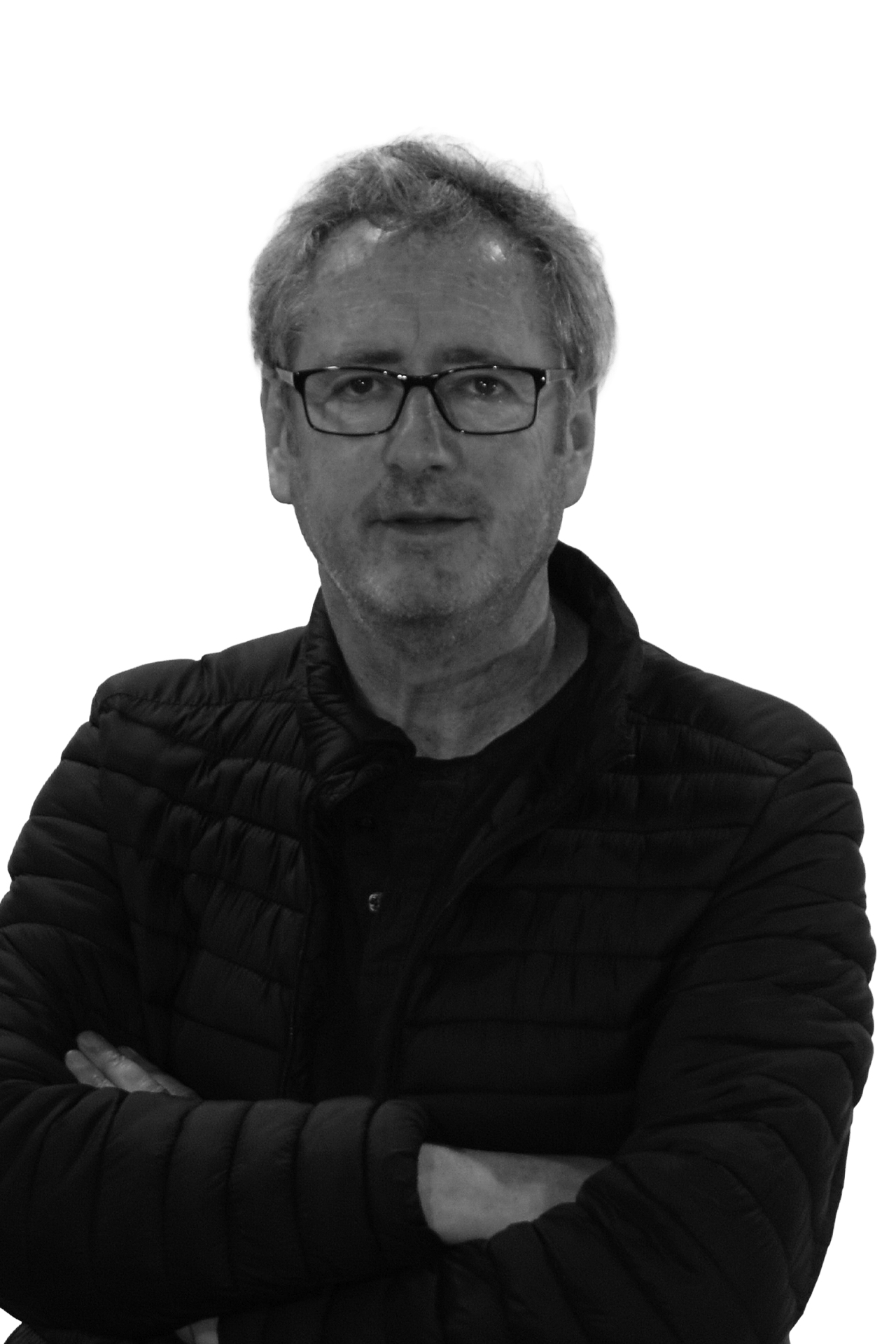
Contact: fmes@ufp.edu.pt
CV Public ScienceVitae: https://www.cienciavitae.pt/portal/871D-DEBA-2B5B
Preferred lines of research and guidelines:
- Design and digital culture;
- Visual culture and social activism;
- Design, Advertising and Technology
MIGUEL TRIGO
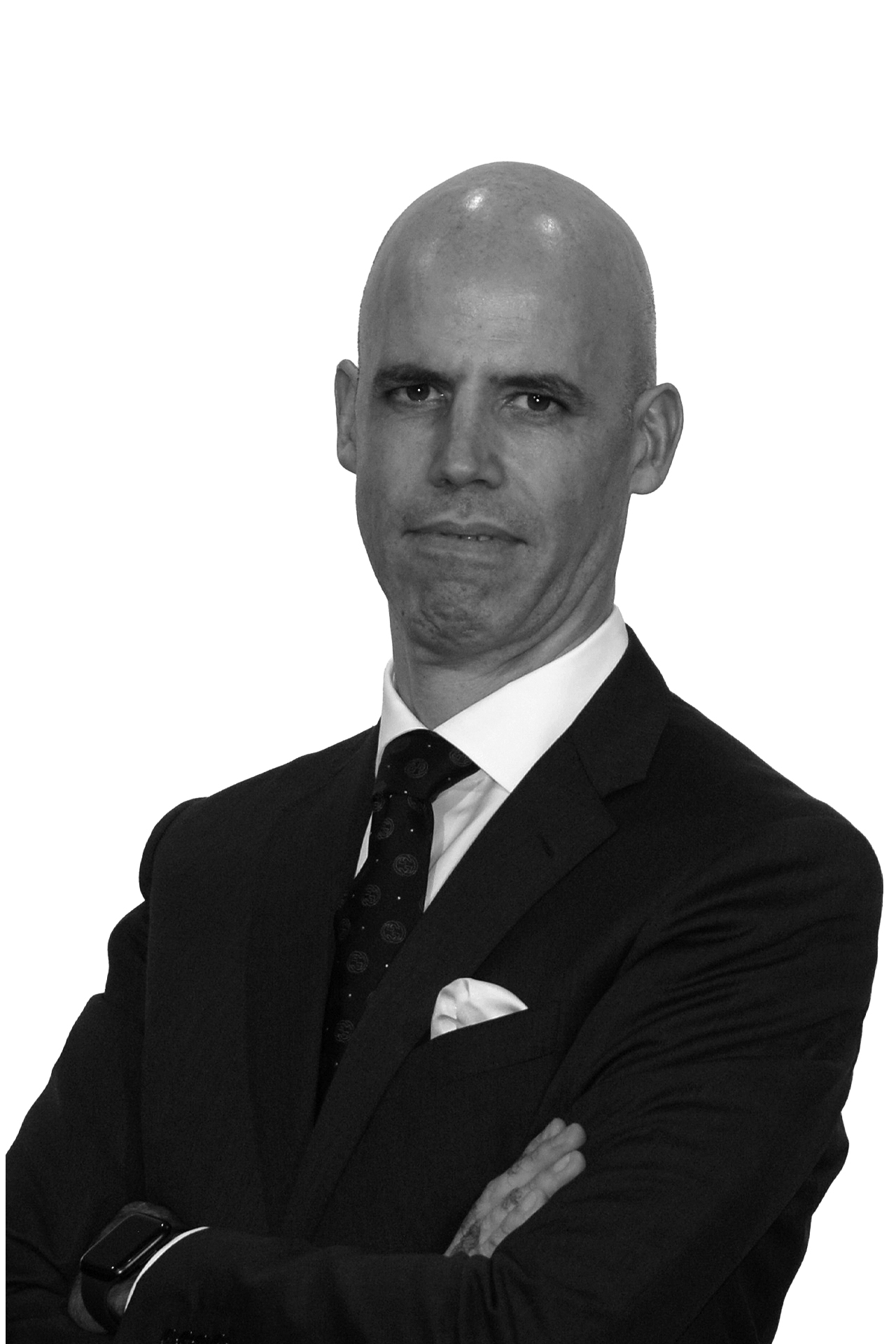
Contact: mtrigo@ufp.edu.pt
CV Public ScienceVitae: https://www.cienciavitae.pt//5210-01B5-5BAC
Preferred lines of research and guidelines:
- Innovation and entrepreneurship;
- Digital transformation;
- Growth marketing.
PATRICIA WEBER

Contact: pweber@ufp.edu.pt
CV Public ScienceVitae: Science ID 931E-72F3-D75A
Preferred lines of research and guidelines:
- Teaching Journalism;
- Scientific Research Methodology;
- Journalistic practices and processes;
- Radio, Radio Journalism and the History of Radio.
PAULO CARDOSO
Contact: pcardoso@ufp.edu.pt
CV Public ScienceVitae: https://www.cienciavitae.pt/portal/en/D414-AB66-CB8F
Preferred lines of research and guidelines:
- Online marketing and communication: websites, social media, and digital advertising;
- Brand communication: identity, personality, communication and consumer perception of brands;
- Impact of advertising on the recipient: attitude towards the content and towards mass media as disseminators of advertising;
- Consumer behavior: segmentation and consumer profiles; consumption and lifestyles.
RENATO PINTO FERREIRA
Contact: rpferreira@ufp.edu.pt
CV Public ScienceVitae: https://www.cienciavitae.pt/portal/2011-0A9B-4FA5
Preferred lines of research and guidelines:
- Political Journalism;
- Radio Communication;
- History of News Agencies in Portugal.
RENATO ESSENFELDER
Contact: ressenfelder@ufp.edu.pt
CV Public ScienceVitae: https://www.cienciavitae.pt/portal/0C11-B276-B077
Preferred lines of research and guidelines:
- Narrative and Literary Journalism;
- Storytelling in Journalism;
- Journalism, Artificial Intelligence, and New Technologies.
RICARDO JORGE PINTO
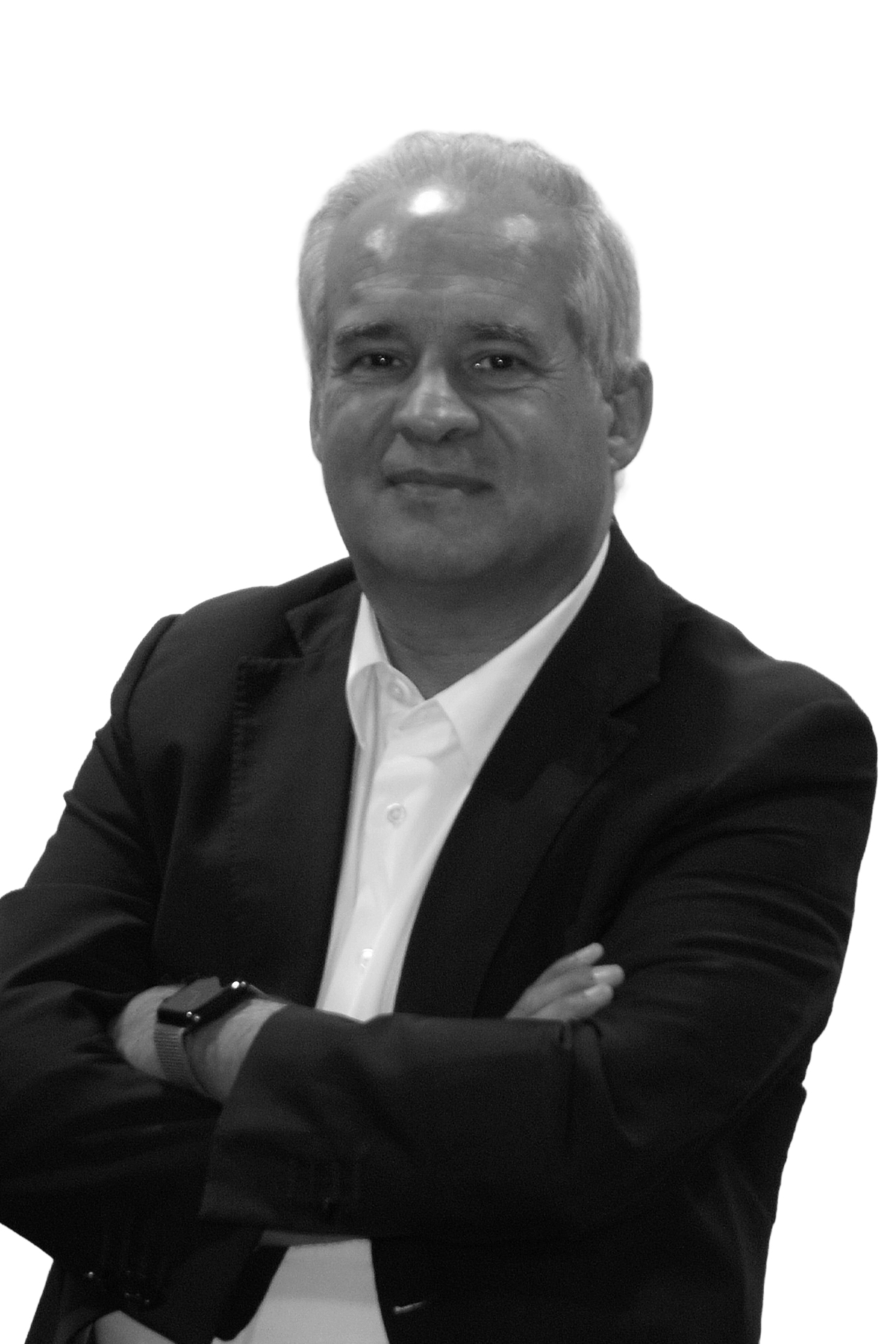
Contact: ricpinto@ufp.edu.pt
CV Public ScienceVitae: https://www.cienciavitae.pt//pt/2A1C-FFEA-2325
Preferred lines of research and guidance:
- Journalism Practices;
- Trends in the evolution of journalism;
- The impact of digital technologies on communication.
RUI ESTRADA
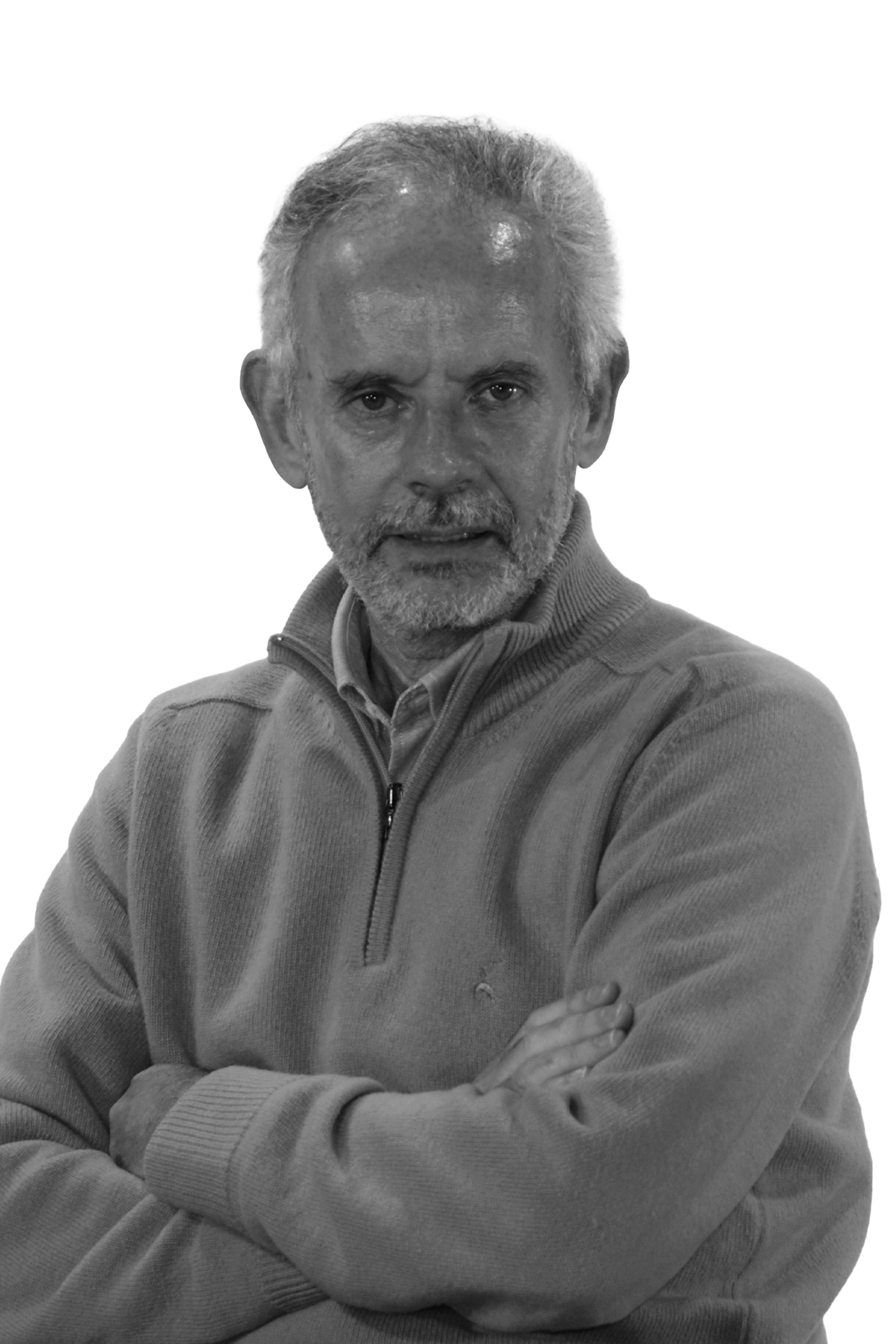
Contact: restrada@ufp.edu.pt
CV Public ScienceVitae: https://www.
Integrated researcher at Citcem: (https://citcem.org/grupos-
Preferred lines of research and guidelines:
- Disinformation and post-truth;
- Freedom of speech, politically correct discourse, cancel culture, and workaholism;
- Argumentation and rhetoric.
RUI TORRES
Contact: rtorres@ufp.edu.pt
CV Public ScienceVitae: https://www.cienciavitae.pt/pt/3F18-80A9-F79B
Preferred lines of research and guidelines:
- Semiotic analysis of media;
- Digital humanities;
- Digital journalism;
- Cyberculture and digital communication;
- Digital archives and electronic publishing.
APPLICATION REQUIREMENTS
ACCESS QUALIFICATIONS
Applicants must hold a master's degree or equivalent in Communication Sciences or other related fields; or a bachelor's degree in Communication Sciences or related fields, provided that, in the latter case, they possess a curriculum considered particularly relevant by the Scientific Council of the Faculty of Human and Social Sciences of the Fernando Pessoa University.
Doctoral students in Communication Sciences or related fields enrolled in other national or foreign Higher Education Institutions may also apply to attend the course under a joint supervision agreement. Doctoral students in joint supervision will receive doctoral degrees from the Fernando Pessoa University and their home institution.
Fernando Pessoa University also accepts candidates who, having begun their doctoral studies at another Higher Education Institution, wish to complete them at UFP, and in this case, may request credit for the course units already completed towards the doctoral program.
SELECTION CRITERIA
Candidates will be ranked and selected based on the level, area and classification of their academic qualifications (20 to 80 points), professional curriculum vitae (up to 30 points) and/or research curriculum vitae (up to 30 points), thesis/thesis project plan (up to 50 points) and letter of motivation (up to 10 points).
DOCUMENTS FOR APPLICATION
a) Authenticated master's degree diploma or certificate;
b) Authenticated diploma or certificate of the bachelor's degree;
c) Curriculum Vitae (template) Europass or Lattes);
d) Statement of intent for the thesis (according to UFP model);
e) Letter of motivation (free template).
In the case of foreign qualifications:
i. Candidates must submit an official statement, issued by the Higher Education Institution that awards the academic degree, indicating the final grade (if not included in any of the documents mentioned above) and the respective quantitative grading scale used (e.g., 0 to 100; 0 to 10, etc.). If this statement is not submitted, the minimum passing grade on the Portuguese scale (10 out of 20) will be considered. The same applies to any other qualification certificates or diplomas submitted with the application;
ii. Diplomas/certificates not written in Portuguese, English, French, or Spanish must be accompanied by a translation into Portuguese, which must be legalized by the Portuguese consular agent in the country of origin of the diploma/certificate or legalized by... Hague Apostille.
iii. Certificates from educational establishments in non-EU countries:
For application purposes, simple copies of the certificates are accepted. For enrollment, it will be necessary to submit the certificates with which you applied for the competition, whether copies or originals, authenticated with the [certificate/document name]. Hague Apostille in the country where the documents were issued. If the country has not acceded to the Convention, the documents must be legalized by the official education services of that country and by the respective Portuguese diplomatic authority.
COTUTELAS
A joint doctoral supervision agreement, always established at the request and initiative of the doctoral candidate, who must initiate the preliminary procedures, allows a doctoral candidate to obtain a doctoral degree from the Fernando Pessoa University and another Higher Education Institution, usually foreign.
Fernando Pessoa University is open to joint doctoral supervision agreements, both for its students who wish to obtain a doctoral degree from another Higher Education Institution, usually foreign, that offers a doctorate in the field of Communication Sciences or related areas; and for students from other Higher Education Institutions, particularly foreign ones, who wish to obtain a doctoral degree in Portugal at the same time, with the possibility of automatically validating it in all countries of the European Higher Education Area.
To simultaneously obtain a doctoral degree from both the Fernando Pessoa University and their home institution, students enrolled in doctoral programs in Communication Sciences or related fields at other Higher Education Institutions must also concurrently enroll in the doctoral program in Communication Sciences at UFP for a minimum period of three years. Attendance at course units is optional, although advisable.
Doctoral students in joint supervision programs must have a supervisor and co-supervisor, respectively, from their home institution and the partner institution, one of which must naturally be the Fernando Pessoa University.
Ideally, doctoral students in joint supervision programs should develop doctoral thesis research that includes the study of realities in various countries, namely Portugal and the country of the partner institution.
NOTES
For more information about the application process, please consult the General Requirements for Applying to Doctoral Programs
SUBMISSION OF APPLICATION
The application is made by the student inforest here
School Dates & Fees
Timeline:
Applications are open for the 2024/2025 academic year.
For more information, please contact the coordinator: coord.3c.com@ufp.edu.pt
Requirements for applying:
Information about Application Requirements.
Precarious:
Information about bribes