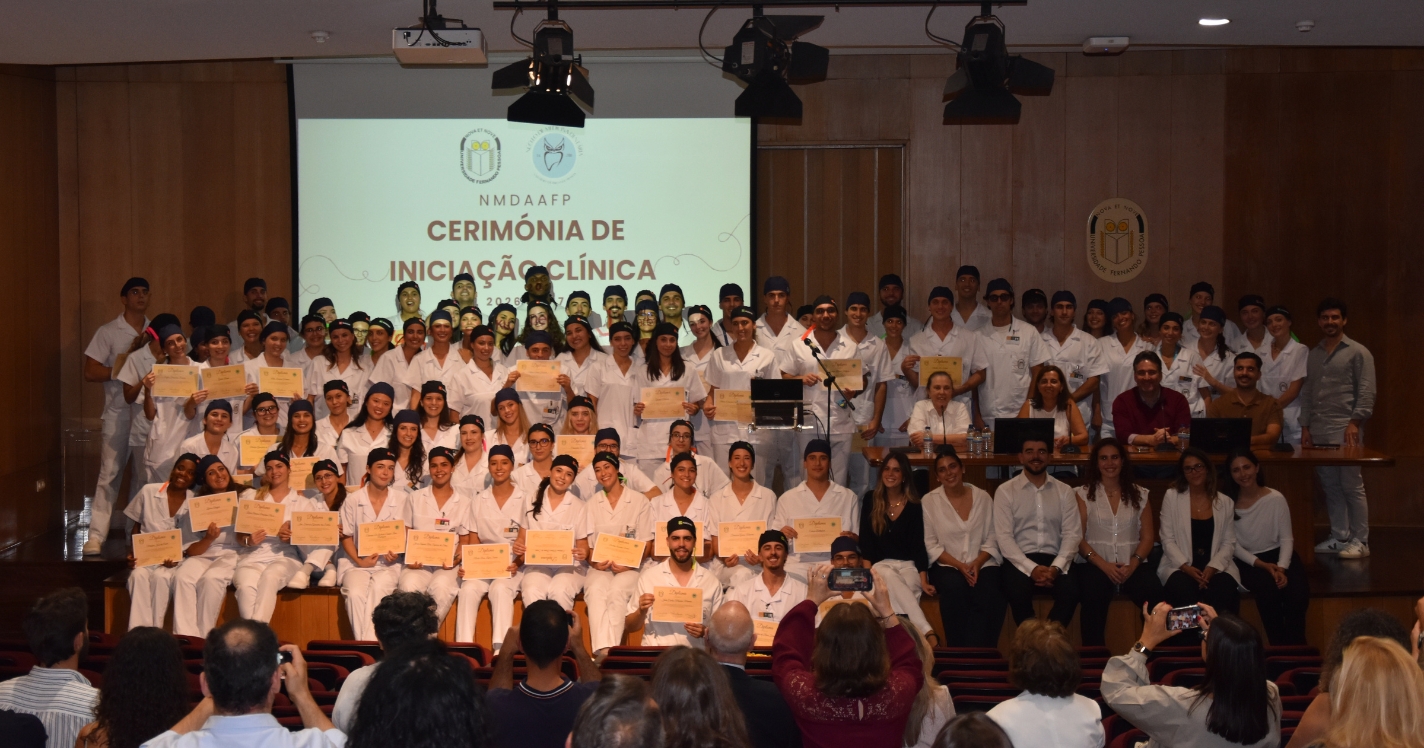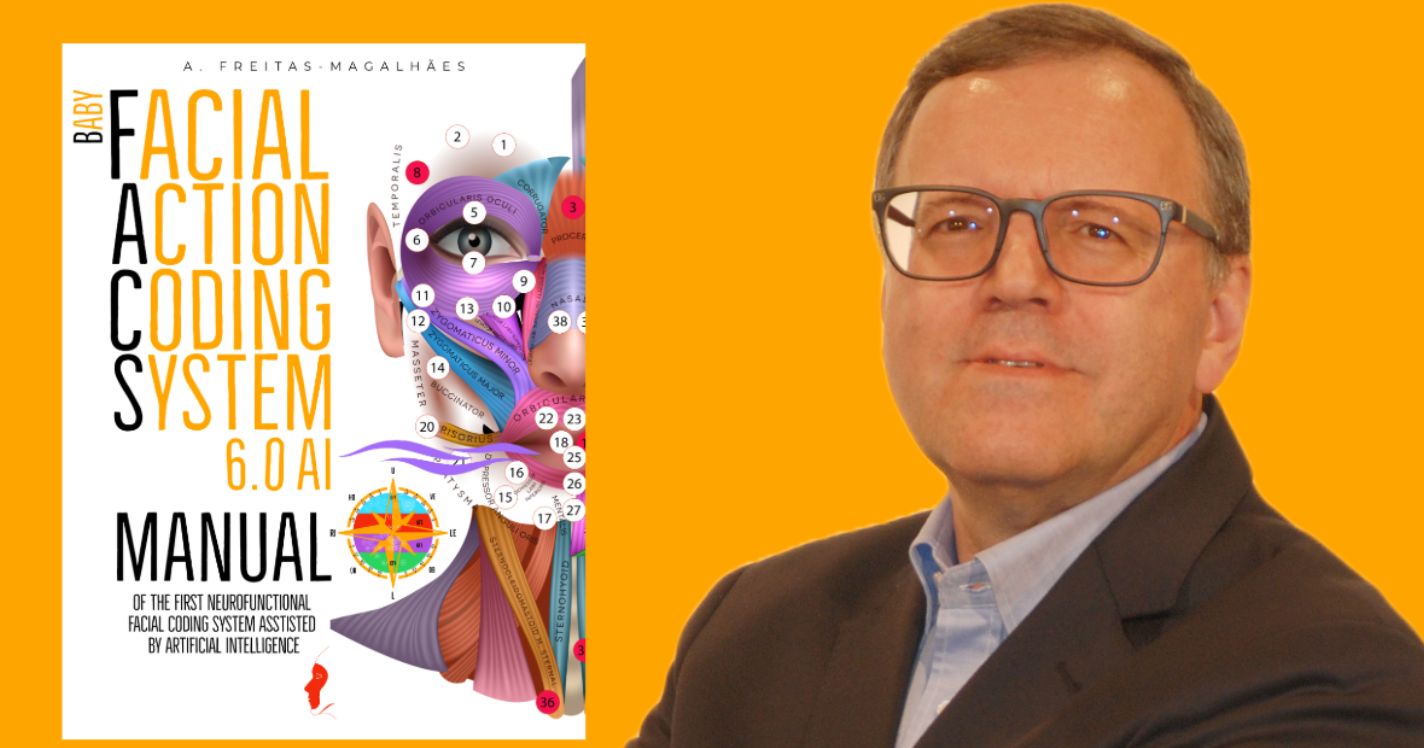
Professor Dr. Freitas-Magalhães, Director of the Facial Emotion Expression Laboratory (FEELab) at Fernando Pessoa University (UFP), presented the Baby F-M FACS 6.0 AI on June 8th in Porto, the world's first artificial intelligence-assisted facial neurofunctional coding system dedicated to the study of early facial development.
The presentation marked a historic milestone in the science of facial expression, developmental neuroscience, and Artificial Intelligence applied to human observation. Developed from the scientific principles of the F-M Facial Action Coding System 6.0 (F-M FACS 6.0), Facial Brain Theory, and Neuromicroexpressions, the new system was designed to observe, code, quantify, and interpret facial activity from fetal life through infancy, via a Neurofunctional Artificial Intelligence architecture.
According to Professor Freitas-Magalhães, the Baby F-M FACS 6.0 AI represents a paradigm shift in how science observes human development – “For the first time in the history of science, Artificial Intelligence is trained to understand the neurofunctional language of the human face from its earliest moments of life”.
The system integrates neurofunctional facial coding, static and dynamic intensity scales, neuromicroexpression analysis, computational inference, and automatic generation of scientific reports, enabling the transformation of images and videos into objective evidence about facial development. During the presentation, the Director of FEELab at UFP highlighted that the human face is one of the most important biomarkers of cerebral and emotional development – “The face communicates before words. The face reveals what the brain does. The Baby F-M FACS 6.0 AI was created to make that information observable, measurable, and scientifically interpretable.”.
The new system presents potential applications in various fields, including, for example, fetal medicine, neonatology, paediatrics, neurodevelopment, pain assessment, developmental psychology, early education, social robotics and generative Artificial Intelligence. According to the Director of FEELab, this innovation inaugurates a new scientific area situated at the intersection of neuroscience, medicine, psychology, and computational science – “We are witnessing the birth of Neurofunctional Artificial Intelligence applied to human development. It is a new generation of scientific systems capable of observing the human face not just as an image, but as functional evidence of brain activity.”.
The launch of Baby F-M FACS 6.0 AI reinforces the international scientific path of Professor Doctor Freitas-Magalhães, recognised for the development of F-M FACS, for the creation of the Facial Brain Theory, and for his pioneering contributions to the study of neuromicroexpressions.
Concluding the presentation, the professor underscored the historical significance of this moment – “Today we are not just presenting a new technology. We are presenting a new scientific language for understanding human development through the face. It is a moment of absolute pioneering and a historic step for science.”.
With the presentation of the Baby F-M FACS 6.0 AI, UFP's FEELab becomes the birthplace of the world's first Neurofunctional Artificial Intelligence system designed to study the human face from the very beginning of life, opening new perspectives for scientific research, medicine, and the understanding of human development.